
Why the Last-Minute Deal Myth Persists
The idea that waiting until the last moment unlocks hidden bargains has been circulating since the era of standby airline tickets and walk-up hotel rates. It has a certain logic to it: unsold seats and empty rooms cost operators money, so surely they'd rather fill them at a discount than leave them vacant. That reasoning isn't entirely wrong — but it's far too simplified to guide actual booking decisions.
The reality is that pricing behavior differs significantly across travel categories, routes, seasons, and even specific properties. Treating "last-minute" as a universally winning strategy exposes travelers to higher costs, limited options, and unnecessary stress. What experienced travelers actually do is understand the mechanics behind pricing in each category, then time their bookings accordingly — not gamble on folklore.
See also: common flight planning myths that lead travelers astray for related misconceptions that affect booking decisions.
Myth
Airlines drop prices close to departure to fill empty seats, so waiting gives you a better deal.
Fact
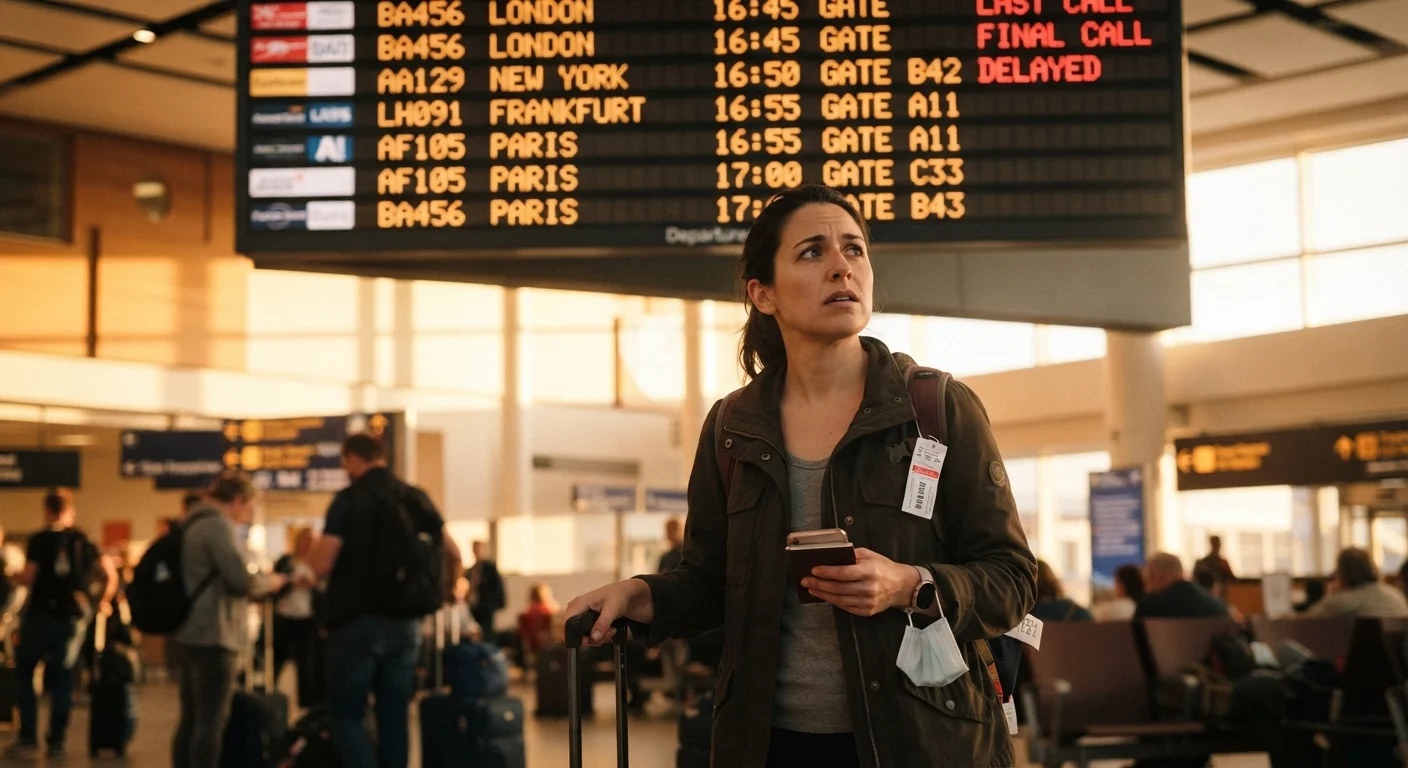
On most routes, airfare rises in the final 14 days before departure as airlines prioritize revenue from late-booking business travelers.
Revenue management systems used by major carriers are designed to capture the highest possible yield from seats that remain close to departure. Business and emergency travelers — who are less price-sensitive — disproportionately book late, so airlines have little incentive to discount. Analysis from airline pricing researchers consistently shows that fares on domestic and short-haul international routes typically peak within two weeks of departure. The exception is very long-haul routes with genuinely unsold inventory, but even there, savings are inconsistent and hard to predict in advance.
Myth
Hotels always have last-minute deals because empty rooms have zero value once the night passes.
Fact
Last-minute hotel discounts are real but unpredictable — availability and discount depth depend heavily on location, season, and property type.
Urban hotels in business-travel markets often do cut rates on weekend nights when corporate demand evaporates. Smaller independent properties sometimes negotiate walk-up rates. But in leisure-dominated destinations during high season, last-minute bookings frequently cost more because the most affordable inventory sells out weeks earlier. Travelers who wait for a deal at a popular beach or ski destination in peak periods often find themselves choosing between limited room types at elevated prices. The "hotels always discount late" assumption works against you precisely when you most want it to work for you.
Myth
Cruise lines slash prices dramatically right before sailing, making late booking the smart play.
Fact
Cruise lines do discount unsold cabins close to departure, but late bookers sacrifice cabin category, dining time, and excursion availability.
It's true that cruise operators would rather fill a cabin at reduced revenue than sail with empty berths. Last-minute cruise pricing can occasionally deliver meaningful savings — particularly on repositioning voyages or itineraries with softer demand. However, the cabins left at this stage are almost always the least desirable: interior lower decks, awkward locations near engines or elevators, or categories already assigned as guarantees. Popular shore excursions through the cruise line may also be sold out. For travelers with genuine flexibility in both dates and expectations, late cruise bookings can work. For everyone else, the tradeoff is rarely worth it.
Myth
Booking far in advance always guarantees the lowest price across all travel categories.
Fact
Early booking secures availability and often competitive rates, but isn't a universal guarantee of the lowest possible price.
Advance purchase fares on flights can be excellent value, particularly 6–10 weeks out for domestic routes and 3–6 months out for international. But airlines also run promotional sales that can temporarily undercut even early-bird prices. Hotels may offer last-minute weekend rates that beat their advance rack rate in low-demand periods. The productive framing isn't "earliest is cheapest" or "latest is cheapest" — it's understanding the demand curve specific to your route and destination. Setting fare alerts and monitoring rate trends over a few weeks gives you real data to act on rather than rules of thumb.
Myth
Flexibility is nice, but last-minute deals are accessible to anyone willing to move fast.
Fact
Last-minute savings almost always require genuine flexibility in dates, destination, departure airport, and accommodation type — not just willingness to book quickly.
When last-minute travel does deliver savings, it's usually because the traveler was willing to accept a midweek departure, a less popular routing, a secondary airport, or a destination they hadn't originally planned. Travelers with a fixed destination, fixed dates, and specific accommodation preferences will rarely benefit from waiting — those constraints eliminate most of the inventory where discounts appear. True last-minute saving is an opportunistic strategy, not a planning one. It works best as a supplement to flexible leisure travel, not as a primary booking approach for any trip with meaningful constraints.
Where Timing Strategy Actually Matters
Knowing when to book isn't just about price — it shapes your entire experience. Flight timing, for instance, affects far more than your fare. As covered in our piece on how the day and time you fly changes more than just price, departure windows influence delay exposure, gate crowding, and connection reliability in ways that no last-minute deal can compensate for.
Hotel rate behavior is equally nuanced. A late booking might secure a lower rack rate at an urban business hotel on a slow weekend, but the same tactic at a coastal resort in peak season typically yields fewer room categories and higher prices. The general principle: the more unique or capacity-constrained the accommodation, the earlier you should book. Our analysis of when higher hotel rates don't mean a better stay is worth reading alongside this, since rate and value don't move in lockstep.
~14 days
When domestic airfare typically peaks before departure
Airline pricing research consistently finds the two-week window before departure is when fares on most domestic routes reach their highest average point.
6–8 weeks
Domestic flight sweet spot for competitive fares
Industry booking data generally identifies the 6-to-8-week window before domestic departure as a period of relatively stable, competitive fare availability.
3–6 months
Recommended advance window for international routes
Travel researchers and booking platforms commonly identify this range as when international airfare availability and pricing tend to be most favorable.
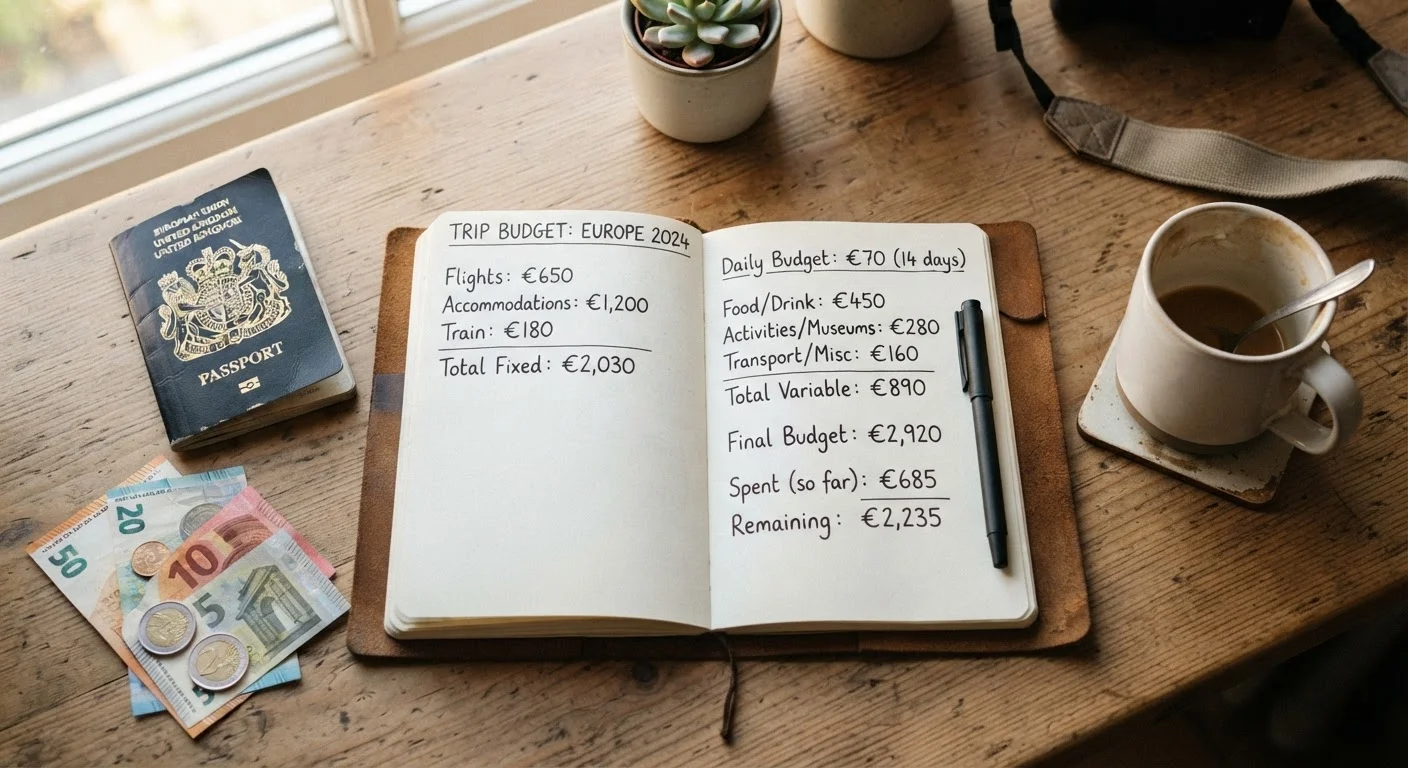
Budget planning also has to account for costs that appear after booking. Hidden travel costs — resort fees, transfer charges, destination taxes — don't shrink just because you booked at the last minute. Factor them into any price comparison before concluding a late deal is genuinely cheaper.
Last-Minute Booking and Travel Insurance
Waiting to book limits the coverage options available to you. Many travel insurance policies that include trip cancellation, pre-existing medical condition waivers, or "cancel for any reason" provisions require purchase within a specific window of your initial trip deposit — sometimes as short as 14 days. Booking late can eliminate access to the most comprehensive coverage tiers. Always verify policy terms with your insurer before assuming coverage applies.