
The Gap Between Map Time and Road Time
There's a particular kind of optimism that takes over when you're plotting a road trip at home. The route looks clean, the mileage seems manageable, and the app spits out a confident ETA. Then the actual day arrives, and somehow you're pulling into camp two hours after dark wondering what happened.
What happened is the gap between map time and road time - and it catches experienced travelers just as often as first-timers. Understanding the specific reasons drives run long is the foundation of smarter planning. For a fuller picture of how these planning layers fit together, see our guide to the anatomy of a well-planned road trip.
Map Time ≠ Real-World Drive Time
Navigation apps calculate routes using average speeds and historical traffic data - not the reality of your specific travel day. A 6-hour estimated drive can easily become 8-9 hours once you factor in fuel stops, meal breaks, road work, and detours. Never schedule arrival-dependent commitments (check-ins, tours, restaurant reservations) based on raw map estimates alone.
The fixes aren't complicated, but they do require confronting a few planning habits that feel reasonable right up until they don't.
The Mistakes That Quietly Derail Your Schedule
Most blown road trip timelines aren't caused by one dramatic event - they're the accumulated result of several small miscalculations compounding across the day. The mistakes below are the most consistent culprits.
Trusting the navigation app's ETA as a hard arrival time.
Why it happens: Apps present estimated drive time confidently, and it's tempting to take that number at face value when you're in the planning phase at home.
Underestimating how much time routine stops actually consume.
Why it happens: A gas stop feels like five minutes - but fueling, paying, grabbing coffee, and using the restroom realistically takes 15-20 minutes. Multiply that across a full day and it's a significant chunk of schedule.
Planning a schedule that requires arriving at your destination before it closes.
Why it happens: Travelers map out an attraction and mentally lock in a late-afternoon arrival without accounting for how many things could slow the day down.
Ignoring urban traffic windows at both ends of the drive.
Why it happens: Drivers focus on the open highway miles but forget that leaving a city at 8 a.m. or arriving near a metro area at 5 p.m. can each add an hour or more to the total trip.
Treating every driving day as equally manageable regardless of distance.
Why it happens: Early days of a road trip feel energetic and fast. Travelers schedule big miles throughout the trip without accounting for fatigue accumulating by day three or four.
Driver fatigue deserves a note beyond scheduling: pushing through exhaustion to hit an arbitrary mileage target is genuinely dangerous. Recognizing when to stop for the night - even if it means adjusting tomorrow's plan - is part of responsible road travel. The road trip lifestyle is built on the freedom to adapt, not the obligation to suffer through a bad plan.
Mountain and Rural Routes Are Deceptively Slow
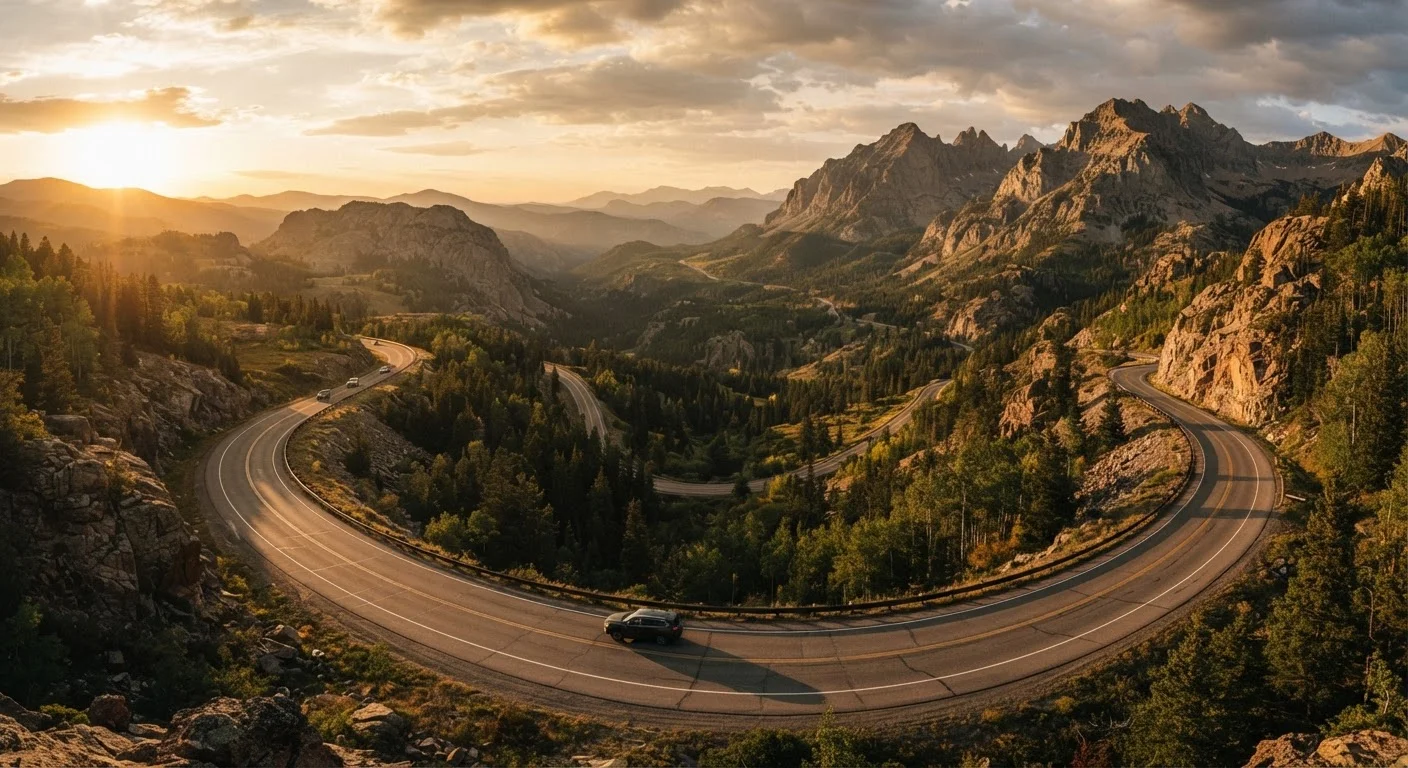
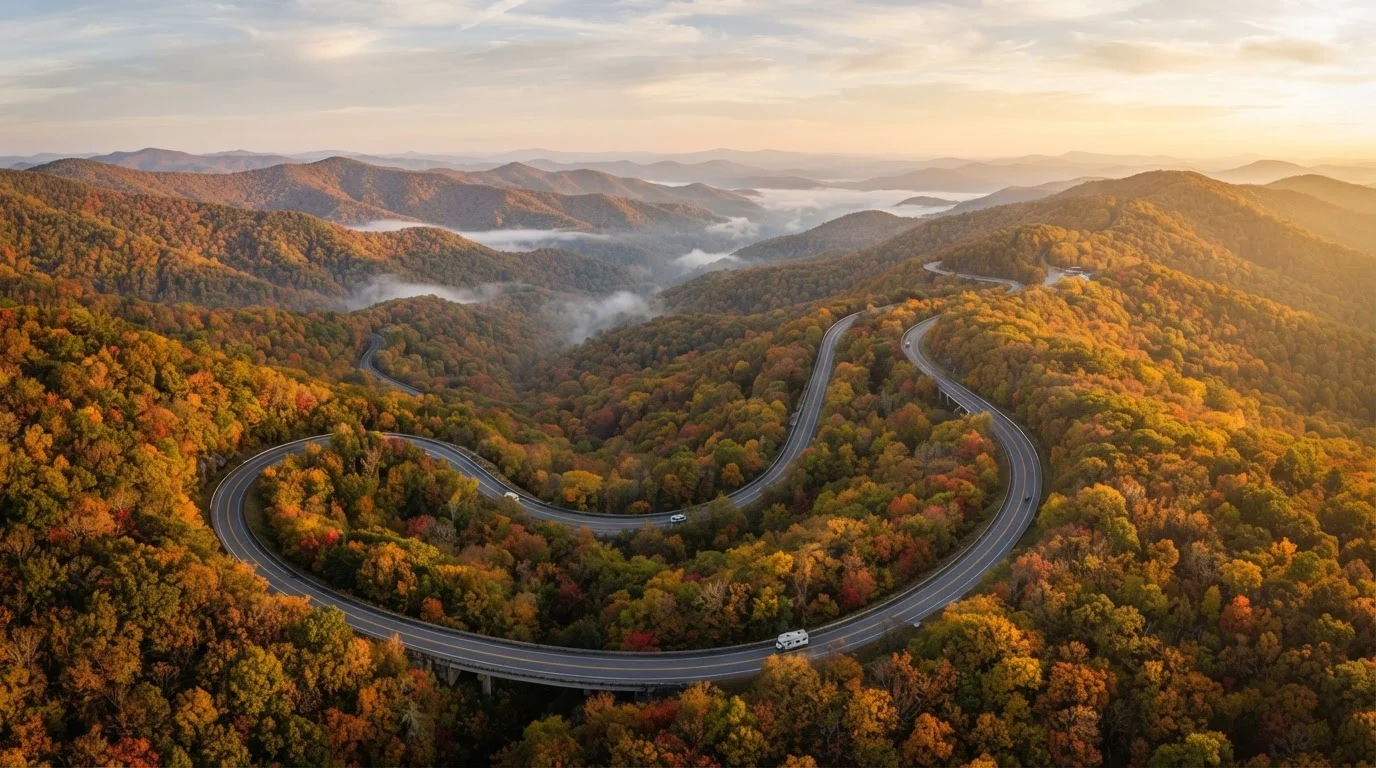
A 200-mile stretch through the Rockies or the Ozarks can take twice as long as 200 flat interstate miles. Grades slow heavy vehicles, curves limit safe speed, and passing opportunities are rare. If your route includes significant elevation change or two-lane rural roads, double your estimated time before building your daily schedule.
Building a Schedule That Actually Holds
The antidote to all of the above is intentional buffer - not vague optimism, but deliberate blank space built into each driving day. A good rule of thumb: never plan more than 400 miles on a single day if you also want to enjoy anything along the way. For days with mountain terrain, drop that ceiling significantly.
~20 min
Average time lost per fuel stop
When fueling, restroom use, and snack purchases are factored together, most stops take 15-20 minutes rather than the 5 minutes most drivers mentally budget.
2x
Slower speed on mountain vs. flat highways
Winding two-lane mountain roads can cut average speeds roughly in half compared to interstate driving, dramatically extending total drive time over comparable distances.
Think about your driving day in three buckets: raw drive time (per the app), stop time (budget 90 minutes minimum for a full day), and contingency (add 30-60 minutes for the unexpected). Only after those three figures are summed should you commit to arrival windows and reservations.
Over-scheduling is one of the most common ways road trips go sideways - not just logistically, but experientially. Our piece on building slack into your road trip itinerary makes the case for why unplanned time consistently produces the best memories. And if you want the broader math on transit time and buffer days, this deep dive on itinerary planning is worth the read before you finalize any multi-day route.
The open road rewards the traveler who arrives relaxed over the one who arrives exactly on schedule.