
Why Overplanning Feels Responsible - But Isn't
There's a seductive logic to the fully mapped road trip: every mile accounted for, every meal slotted in, every overlook penciled into a two-hour window. It feels responsible. It feels like you're honoring the distance and the investment. In reality, a plan that's too rigid is one of the most reliable ways to drain the life out of a road trip before you've left the driveway.
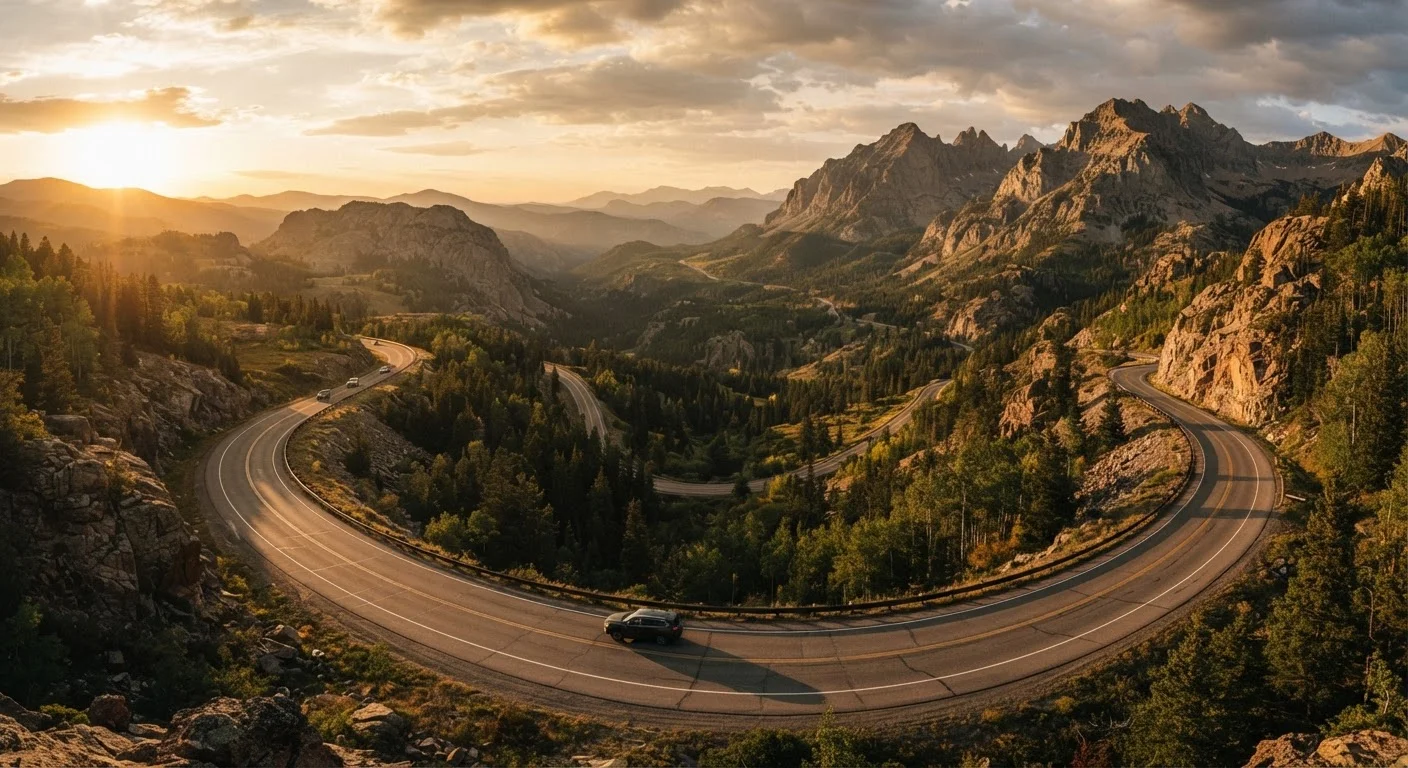
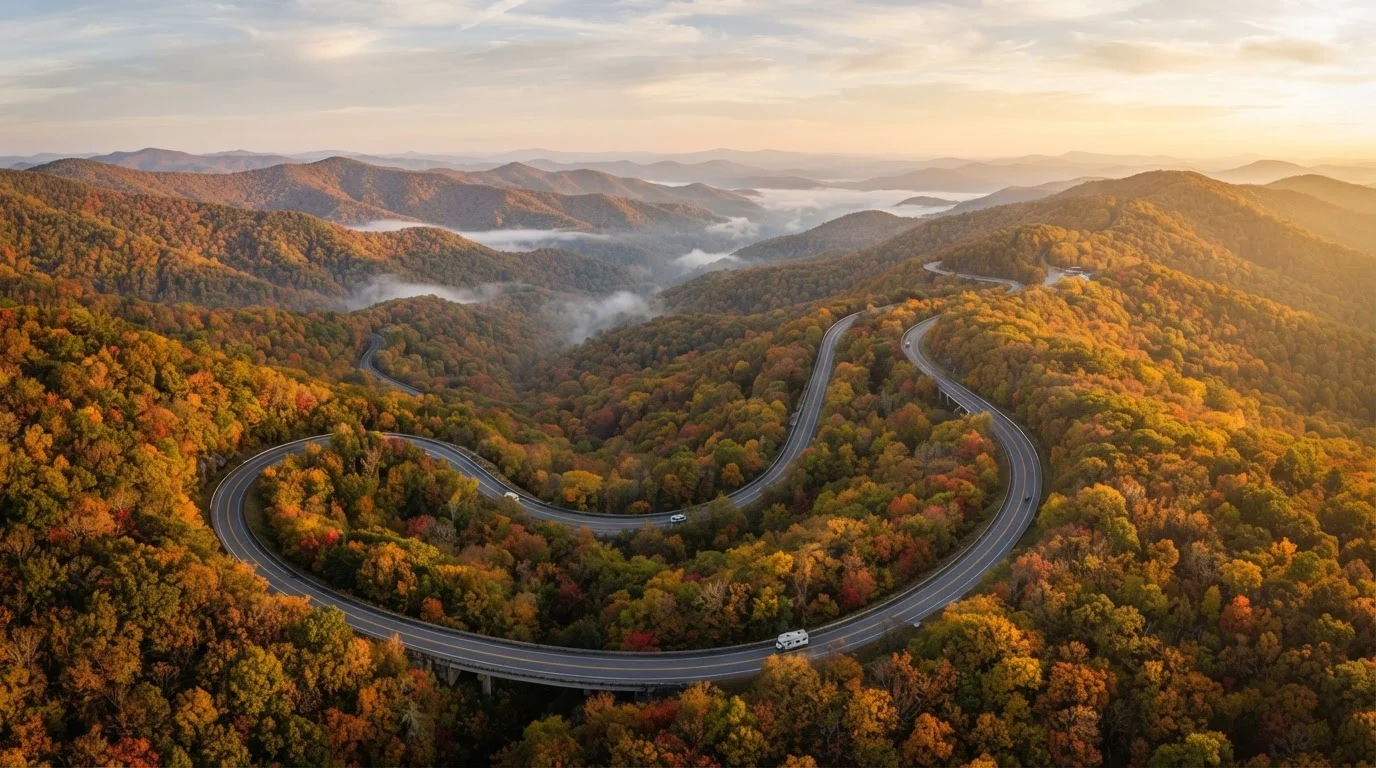
Road trips aren't package tours. They're inherently open-ended by nature, and the culture that has grown up around American highway travel - from Route 66 lore to the Blue Ridge Parkway crowd - is built on the understanding that the road itself is the experience. The moment you start treating your itinerary like a contract, you've stopped road tripping and started project-managing a vacation.
A well-planned road trip uses structure as scaffolding - not as walls. The mistakes below are what happen when the scaffolding becomes the building.
Planning Is a Tool, Not the Trip
A well-designed plan is a starting point, not a contract. The moment your itinerary becomes something you're afraid to deviate from, it stops serving you and starts controlling you. Build structure around your trip - don't build your trip around your structure.
The Most Common Overplanning Mistakes - and How to Escape Them
These aren't rare errors. They show up on nearly every first or second road trip, and sometimes on the fifteenth. The patterns are consistent because the impulse behind them - a desire for certainty on an inherently uncertain journey - is deeply human. Recognizing them before you hit the road is the first move toward a smarter, looser, better trip.
Scheduling every hour of every driving day, including meals, fuel stops, and sightseeing windows.
Why it happens: Pre-trip excitement leads to ambitious planning. Mapping tools make it easy to slot activities in precise sequence, which creates an illusion of control.
Underestimating drive times, then sacrificing stops to compensate.
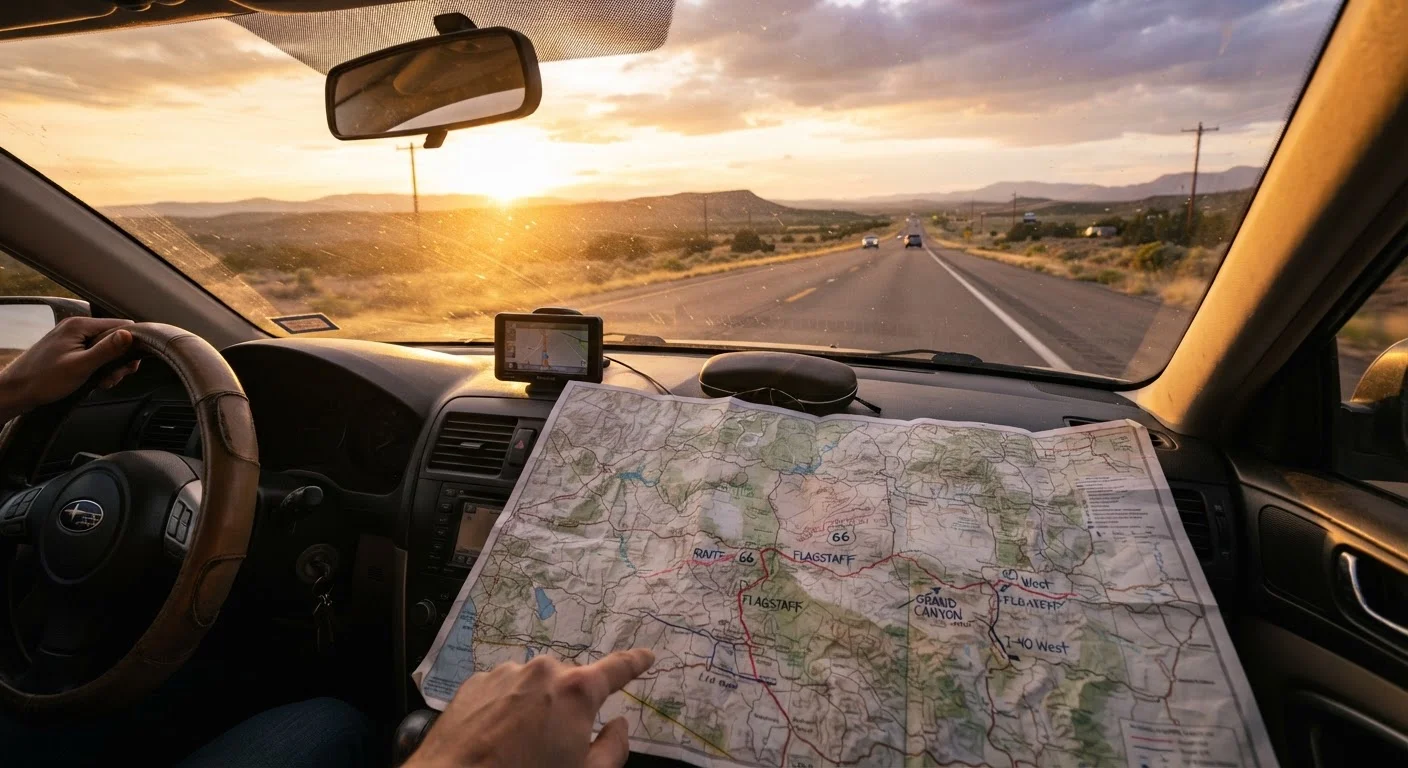
Why it happens: Map apps display the fastest route time, not road-trip time. Traffic, road conditions, fuel stops, and the magnetic pull of a scenic turnout all add time that doesn't show on the screen.
Pre-booking every accommodation, including nights in towns you've never visited.
Why it happens: Anxiety about availability - especially in peak season - drives travelers to lock in every bed weeks in advance, leaving zero flexibility to follow the route where it leads.
Treating the destination as the trip rather than the journey itself.
Why it happens: Most travel planning logic is destination-centered: you book a place to arrive at, then work backward. Road trips invert this - the drive is the experience - but many people never mentally make that shift.
Building an itinerary that works on paper but ignores the group's actual energy and pace.
Why it happens: Itineraries are usually designed solo or in planning mode, when enthusiasm is high and the realities of travel fatigue are abstract.
For a fuller look at how these patterns compound across a multi-day route, see why itineraries fall apart by day three.
Driving Fatigue Hides Inside Packed Schedules
When every hour is committed, the pressure to push through fatigue to 'stay on track' becomes real. Tired driving is dangerous driving. A flexible itinerary that allows you to stop early when needed isn't a failure - it's basic road safety. Never treat a schedule as more important than the condition of the driver.
What a Smarter Framework Actually Looks Like
The alternative to overplanning isn't no plan. It's a plan with intention and breathing room built in - what experienced road travelers sometimes call a loose framework. You know where you're starting, you have two or three moments along the route you genuinely care about, and you have a rough sense of where you'll sleep. Everything else is open terrain.
~60%
Travelers who report skipping planned stops due to schedule pressure
Survey data from travel behavior researchers consistently finds that over-scheduling leads to on-the-road compromises that reduce overall satisfaction.
25-30%
Recommended time buffer to add to every estimated drive segment
Road trip planners and experienced long-distance drivers broadly recommend this buffer to account for traffic, detours, and stops.
Think of your route the way a jazz musician thinks about a standard: there's a structure, a key, a progression - but the performance lives in the improvisation around it. The overlook you didn't plan, the diner with the hand-lettered pie sign, the state park campground a local mentioned at a gas station - those are the notes that make the song. End-to-end road trip planning can help you build that skeleton without filling in every measure in advance.
Before your next trip, try this: plan your anchors, buffer your drives, and deliberately leave at least one full afternoon per three days as uncommitted. Then see what the road offers. It almost always offers something worth stopping for.