
What Separates a Good Stay From a Truly Great One
Ask seasoned travelers what made a particular hotel unforgettable, and they rarely point to the pool or the thread count. They describe a moment: a staff member who remembered an offhand comment from the night before, a room that somehow felt quieter than the city outside, a check-in that took ninety seconds and felt unhurried. These are the details that most hotel review categories fail to capture - and that most guests only recognize in retrospect.
Understanding what drives those moments matters, especially for frequent travelers who have stayed in dozens of properties and can feel the difference between surface polish and genuine hospitality craft. It also matters because price alone is a poor predictor. Some mid-range boutique properties consistently outperform five-star addresses on the measures that actually stick. For a closer look at how to extract full value from high-end stays, see our guide to making the most of a resort stay.
Below are the less-visible markers that experienced hospitality observers use to assess whether a property has genuinely mastered its craft.
Anticipatory service, not reactive service
The distinction between good service and exceptional service often comes down to timing. Reactive service responds to requests; anticipatory service acts before the guest realizes they have one. A towel appears poolside before you've settled in. Your preferred coffee order is noted from day one and ready by day two. These moments require genuine observation and staff empowerment - the freedom to act without waiting for a manager's approval.
Properties that excel here typically invest in staff briefings that share guest context across shifts, so the experience doesn't reset every eight hours.
Anticipatory service requires staff empowerment - the freedom to act without waiting for approval.
Acoustic design and sensory environment
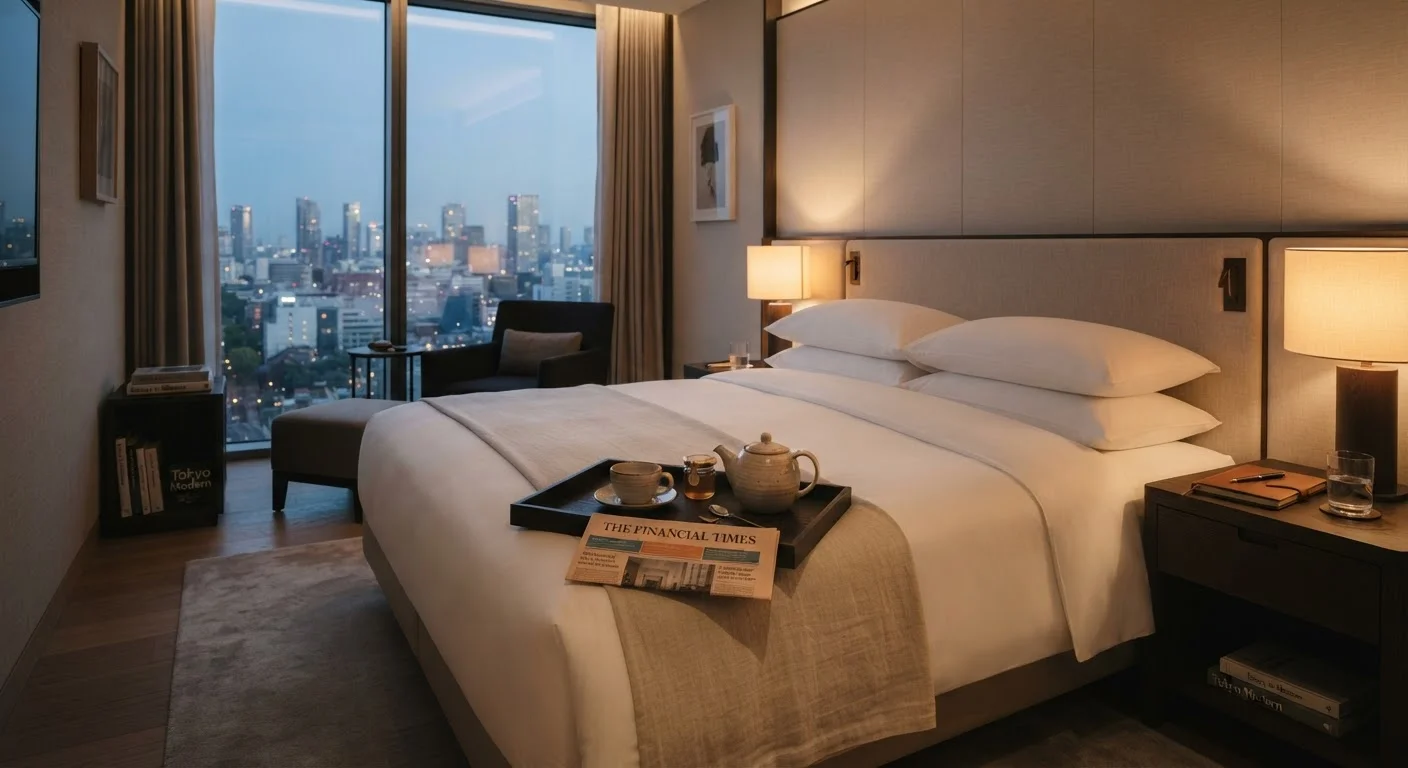
Sound is one of the most underrated dimensions of room quality. A hotel room that absorbs noise effectively - whether from corridors, adjacent rooms, or street traffic - signals that the property invested in construction quality rather than cosmetic upgrades. The same applies to scent: a subtle, consistent fragrance in public spaces creates subconscious coherence, while variable or overpowering scenting signals a superficial approach to atmosphere.
Lighting temperature, layered across a room rather than relying on a single overhead fixture, shapes how guests feel in a space far more than artwork or furniture alone.
A room that absorbs noise effectively signals investment in construction quality over cosmetic upgrades.
The quality of transition moments
Check-in and checkout are the moments when a hotel's service culture is most exposed. A check-in that is efficient but warm - that requires no repeated spelling of your name, involves no visible fumbling - sets a tone that colors the entire stay. Checkout is equally revealing: are you thanked in a way that feels genuine, or processed? Does someone ask how your stay was and actually pause for the answer?
For a detailed walkthrough of what these touchpoints look like at high-performing properties, the inside a luxury resort stay guide covers arrival through departure in practical terms.
Checkout reveals service culture: does someone ask how your stay was and actually pause for the answer?
Specificity in local knowledge
A concierge who recommends the same three restaurants to every guest is offering a service. A concierge who asks what you ate last night before making a suggestion is offering expertise. The difference is specificity - and it's a reliable marker of a property that takes its guest-relations function seriously rather than treating it as a box-ticking exercise.
Specificity extends to written materials, too. Generic destination guides signal low investment. Curated, frequently updated recommendations that reflect genuine neighborhood knowledge signal the opposite.
Asking what you ate last night before recommending a restaurant is expertise, not just service.
Consistency across every touchpoint
A five-star lobby paired with a two-star in-room dining experience is a coherence failure - and frequent travelers notice immediately. True hospitality craft means the attention to detail present at check-in is also present in how a maintenance request is handled at 11 p.m., how the breakfast station is restocked, and how a complaint is received and resolved.
Consistency is harder to achieve than excellence in a single area, which is why it remains the clearest differentiator between properties that have genuinely internalized their standards and those performing them selectively. Hotel insider knowledge often comes down to knowing which properties have cracked this particular challenge.
True hospitality craft means the standards present at check-in are also present at 11 p.m.
Building a More Discerning Eye for Future Stays
Once you start noticing these details, they become difficult to unsee. That's not a disadvantage - it's a useful calibration tool. Properties that invest in sensory design, staff autonomy, and consistent execution across all touchpoints tend to deliver experiences that hold up over time and across repeat visits.
A Simple Way to Evaluate Any Property
Before booking, look at how a property responds to guest reviews - particularly critical ones. A reply that is specific, non-defensive, and solution-oriented is a strong indicator of the service culture you'll encounter in person. Generic, copy-pasted responses suggest the opposite. It takes two minutes and is one of the most reliable pre-arrival signals available.
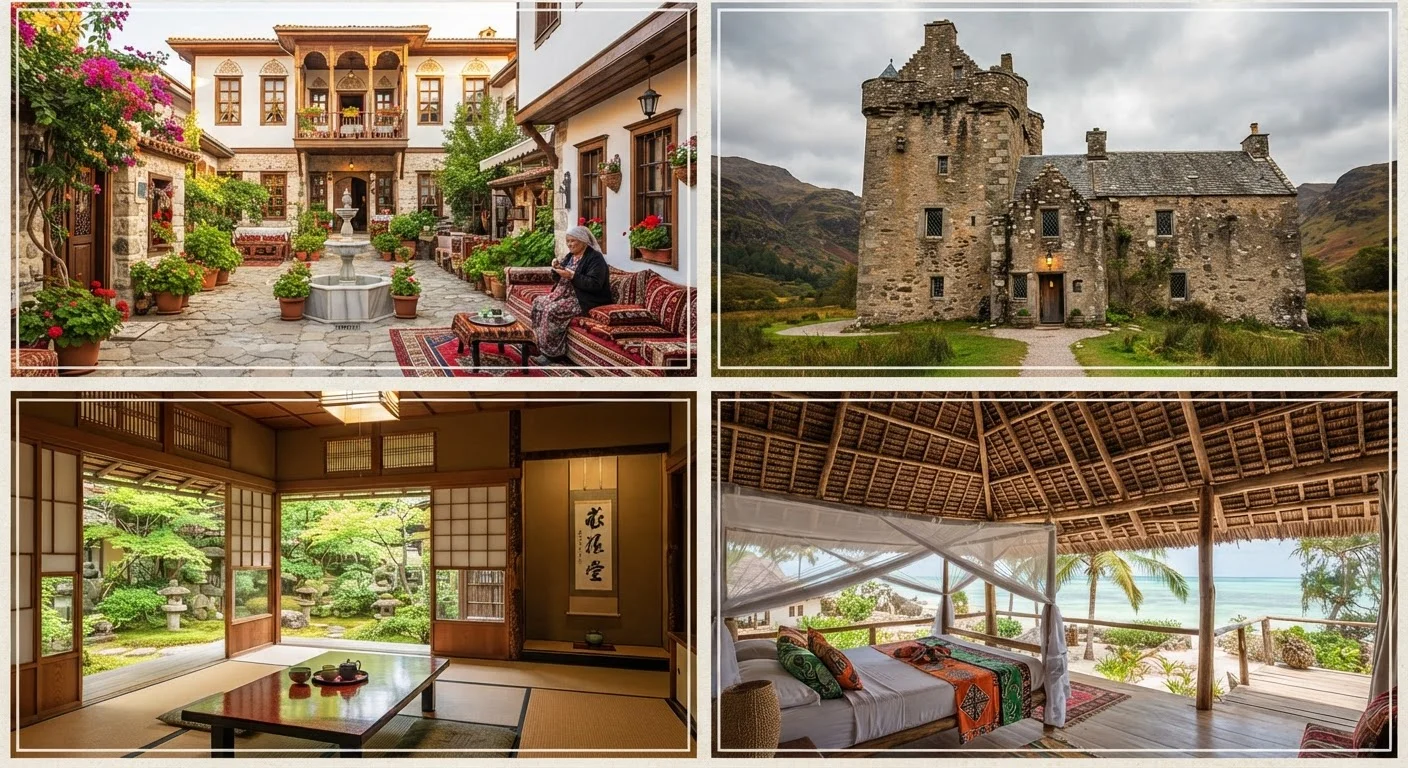
If you're exploring stays beyond the standard hotel format, our overview of boutique and unique accommodations is a useful starting point. And for those weighing restored heritage properties against purpose-built boutiques, the trade-offs in character and comfort are worth examining before you book - see heritage properties vs. new-build boutiques for a grounded comparison.
The most reliable signal, across all categories and price points, remains whether a property treats the details as ends in themselves - not as marketing footnotes.