
The Appeal of the Unusual - and Its Blind Spots
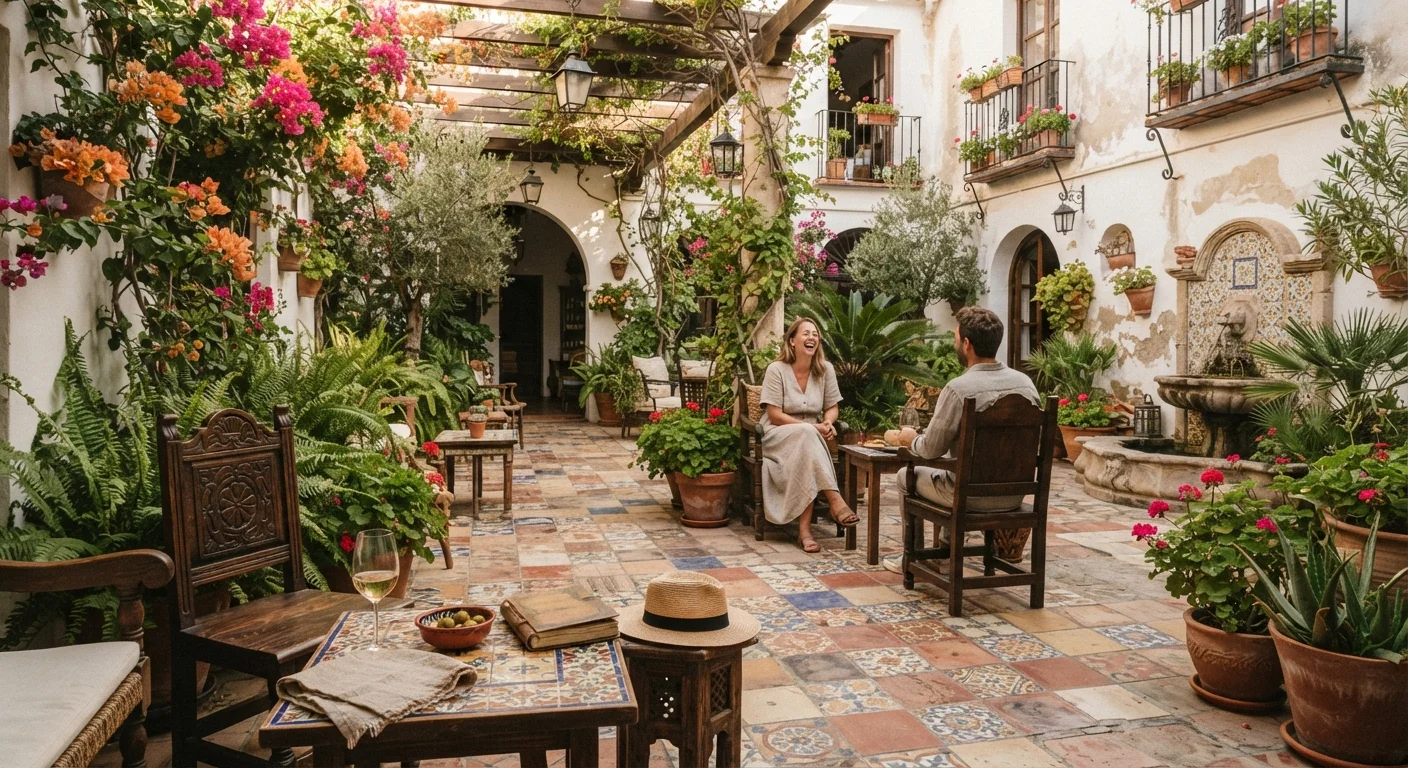
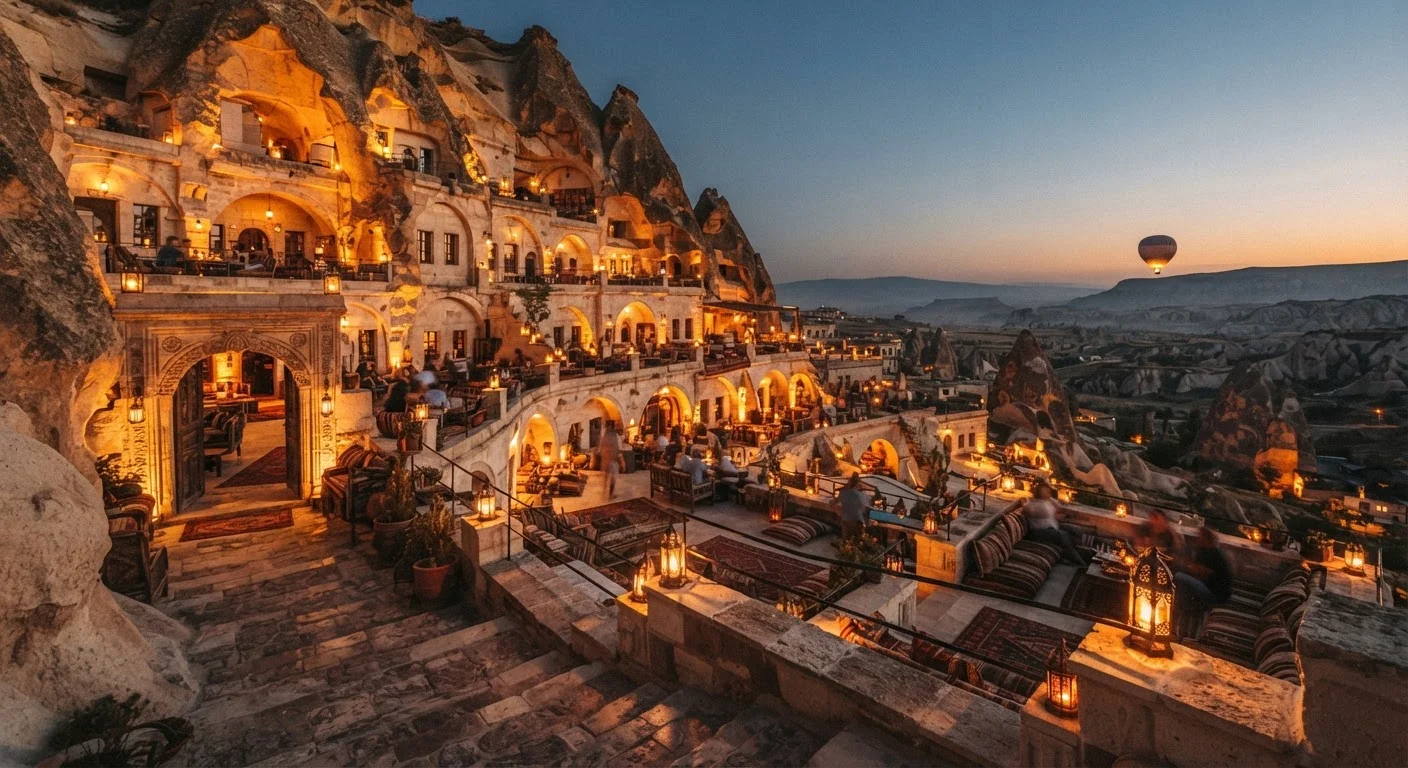
A converted lighthouse, a hillside riad, a century-old railway caboose turned guest room - these aren't just places to sleep. They carry a narrative, and that story is part of what you're paying for. For many travelers, a distinctive property deepens the experience of a destination in ways a cookie-cutter hotel simply cannot replicate.
But the same qualities that make a stay memorable can also generate friction. Irregular architecture means irregular insulation. Remote locations mean longer transfer times. Owner-operated charm often means no 24-hour front desk. The appeal is genuine; so are the blind spots.
Understanding this tension - rather than dismissing either side of it - is the starting point for making a smarter booking decision. The question isn't whether unique stays are worth it. It's whether they're worth it for you, on this trip.
Authentic local character that chain hotels can't replicate
Owner-operated or architecturally distinctive properties often reflect the genuine culture of a place - in materials, food, and staff connections - in ways that standardized hospitality deliberately avoids.
Memorable experiences become the narrative of a trip
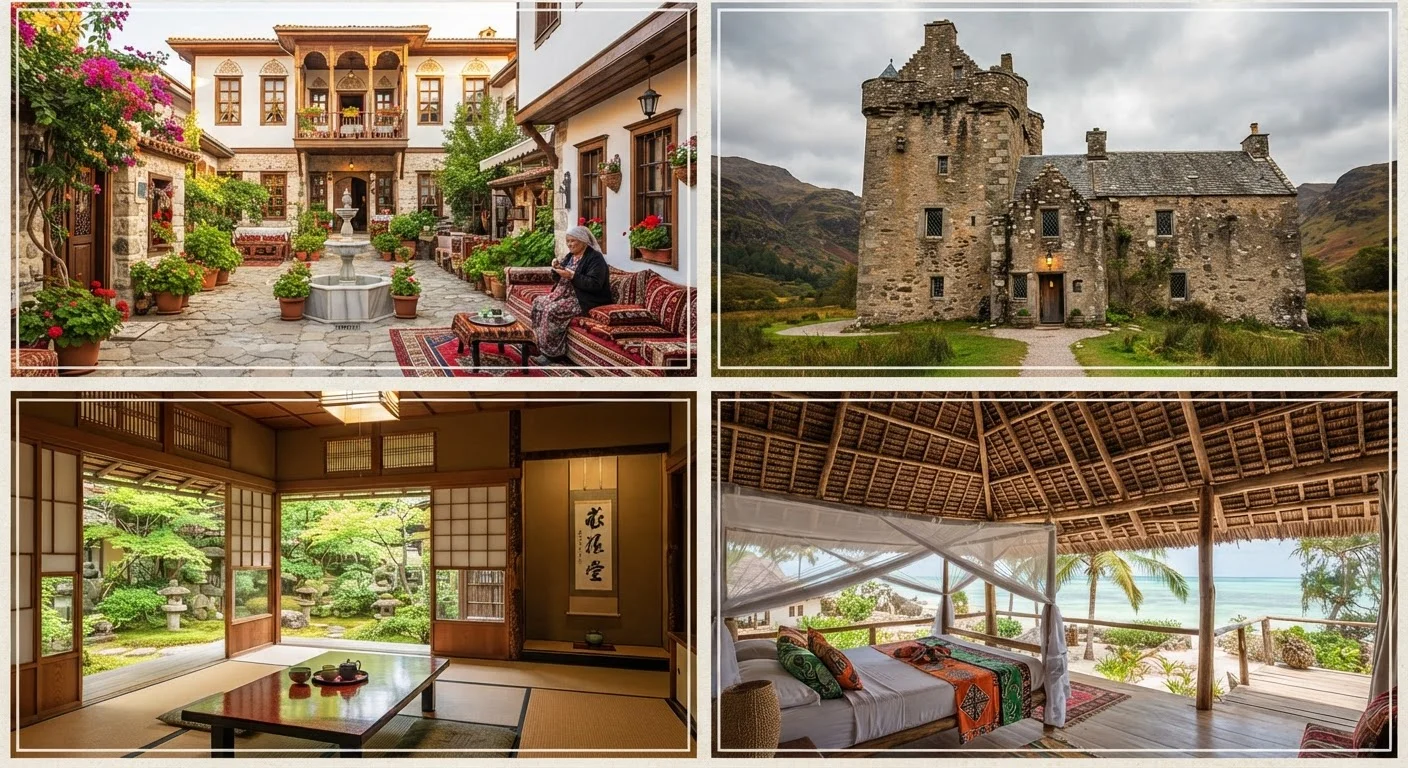
Staying in a converted farmhouse or a historic caravanserai gives a trip a specific texture and story. These experiences tend to anchor travel memories far more durably than a comfortable but generic room.
Smaller scale often means more attentive service
Boutique and specialty properties with fewer rooms can deliver a level of personal attention and flexibility - adjusted check-in times, tailored recommendations - that large properties structurally can't match.
Unique stays often support independent local economies
Spending at independently owned properties tends to circulate more value within the local economy than stays at internationally managed chains, which is a meaningful consideration for many travelers.
Architecture and setting become part of the experience
When the building itself has genuine history or the setting is genuinely extraordinary, the accommodation adds a layer of depth to the destination rather than simply providing functional shelter.
Where Unique Stays Tend to Fall Short
The disadvantages of distinctive properties cluster around a few recurring patterns that experienced travelers learn to anticipate.
Inconsistent comfort and unpredictable amenity standards
Converted or heritage structures frequently lack effective climate control, soundproofing, or plumbing reliability. What reads as 'rustic charm' in a listing can translate to a cold room and an unreliable shower.
Strict, non-refundable cancellation policies
Small properties cannot absorb lost bookings the way larger hotels can, so rigid cancellation terms are standard. Travel disruptions - delays, illness, itinerary changes - carry significant financial risk under these terms.
Limited accessibility for many travelers
Unusual structures - treehouses, cliff-perch cottages, historic buildings - are rarely designed with universal accessibility in mind. Guests with mobility needs or traveling with young children face real physical barriers.
Remote locations create logistical complications
Properties chosen for dramatic settings often require long, complex, or expensive transfers. Getting there and back adds time, cost, and complexity that can strain an otherwise well-planned trip.
Limited dining and service hours
Owner-operated stays may offer fixed meal sittings, no room service, or limited on-site food options. If the surrounding area also lacks restaurants, this significantly reduces flexibility.
Marketing photography frequently outpaces reality
Distinctive properties attract more aspirational photography than standard hotels, and visual staging can obscure dated fixtures, small room dimensions, or proximity to noise. Discrepancies between listing images and actual spaces are a recurring traveler complaint.
Cancellation flexibility is one of the sharpest pain points. Small owner-operated properties often enforce strict non-refundable policies because a single empty room represents a significant revenue loss. Before you book, read those terms carefully - this is one of the most common boutique booking mistakes travelers regret.
Accessibility is another persistent challenge. Properties that occupy converted structures - historic mills, clifftop cottages, island retreats - may involve stairs with no lift, unpaved access roads, or water taxi transfers. These details rarely appear prominently in the listing photography.
How to Weigh Novelty Against Practicality
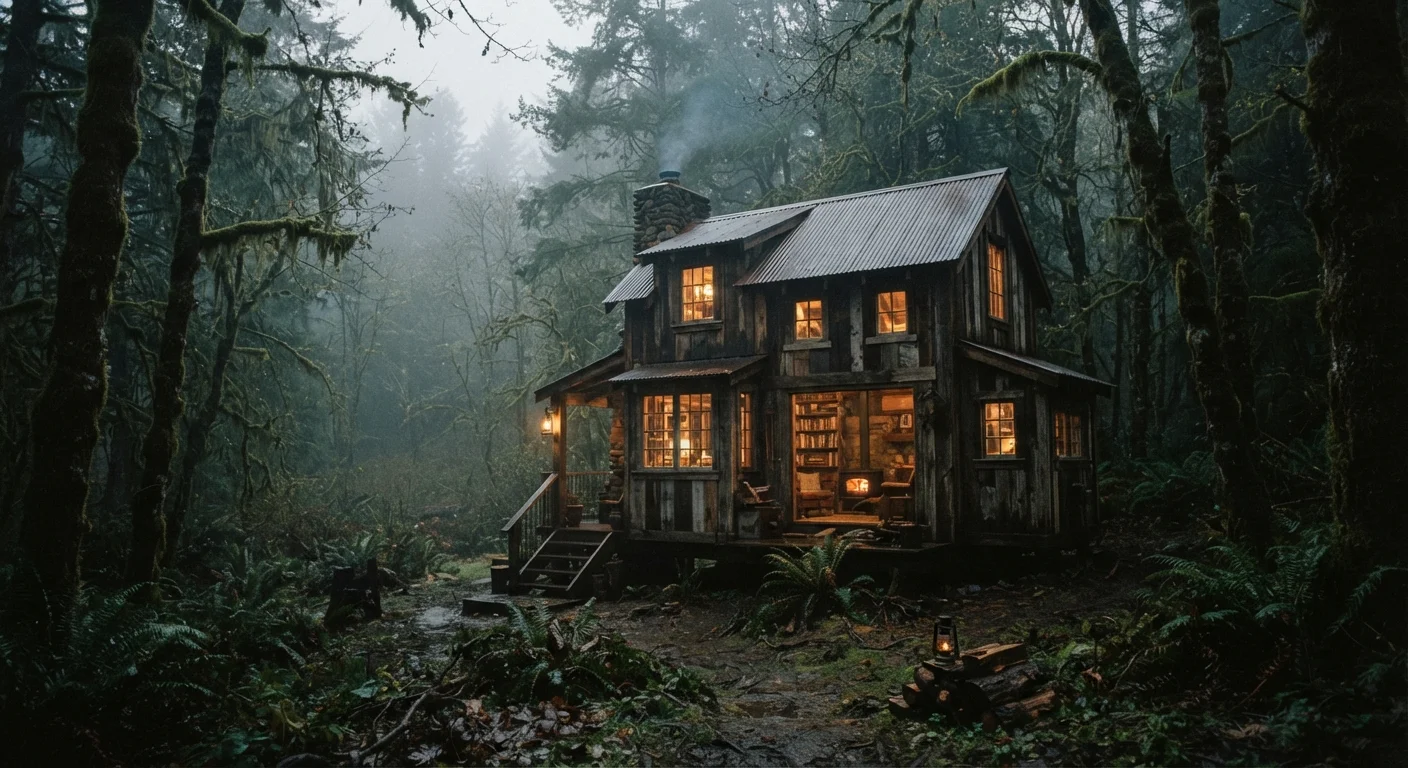
The most useful reframe is to treat the accommodation as a variable in your broader trip equation, not an automatic highlight. A remote property with patchy Wi-Fi and a fixed dinner menu is a fine choice when you're actively seeking digital disconnection and slow travel - and a poor choice when you need to work remotely and want dining flexibility.
~60%
Boutique hotel guests cite 'authentic experience' as primary motivation
Industry research consistently finds that experiential authenticity, not price or location alone, drives the majority of boutique and independent hotel selections.
1 in 3
Travelers report unmet expectations at distinctive properties
Guest satisfaction surveys at independent and specialty properties show a notably higher rate of expectation gaps compared to branded mid-scale hotels, largely due to inconsistent amenity delivery.
It also helps to audit what "unique" actually delivers at a given property. Some distinctive stays offer genuine local character - staff from the community, menus rooted in regional produce, architecture that couldn't exist anywhere else. Others are themed experiences that borrow visual novelty without substantive connection to place. The distinction matters when you're evaluating whether the premium is justified.
If you're weighing a boutique option against a more conventional luxury experience, the comparison in all-inclusive vs. room-only luxury frameworks is useful context - structured amenities versus curated freedom involves many of the same core trade-offs. Similarly, heritage properties and new-build boutiques each carry their own comfort and character equation worth understanding.
Due Diligence Pays Off Here
Before booking a distinctive property, go beyond the official listing. Look for recent traveler photos on review platforms - these tend to capture current condition more honestly than professional shots. Check when the most recent reviews were posted, since small properties can decline significantly between ownership changes or seasons. Confirming specific amenities (heating type, parking availability, Wi-Fi reliability) by direct message is standard practice among experienced boutique travelers.
Price alone is a poor signal. As explored in why a higher rate doesn't guarantee a better stay, rate and lived experience frequently diverge - particularly at properties selling on concept rather than consistent execution.