
What a Lighthouse Stay Actually Involves
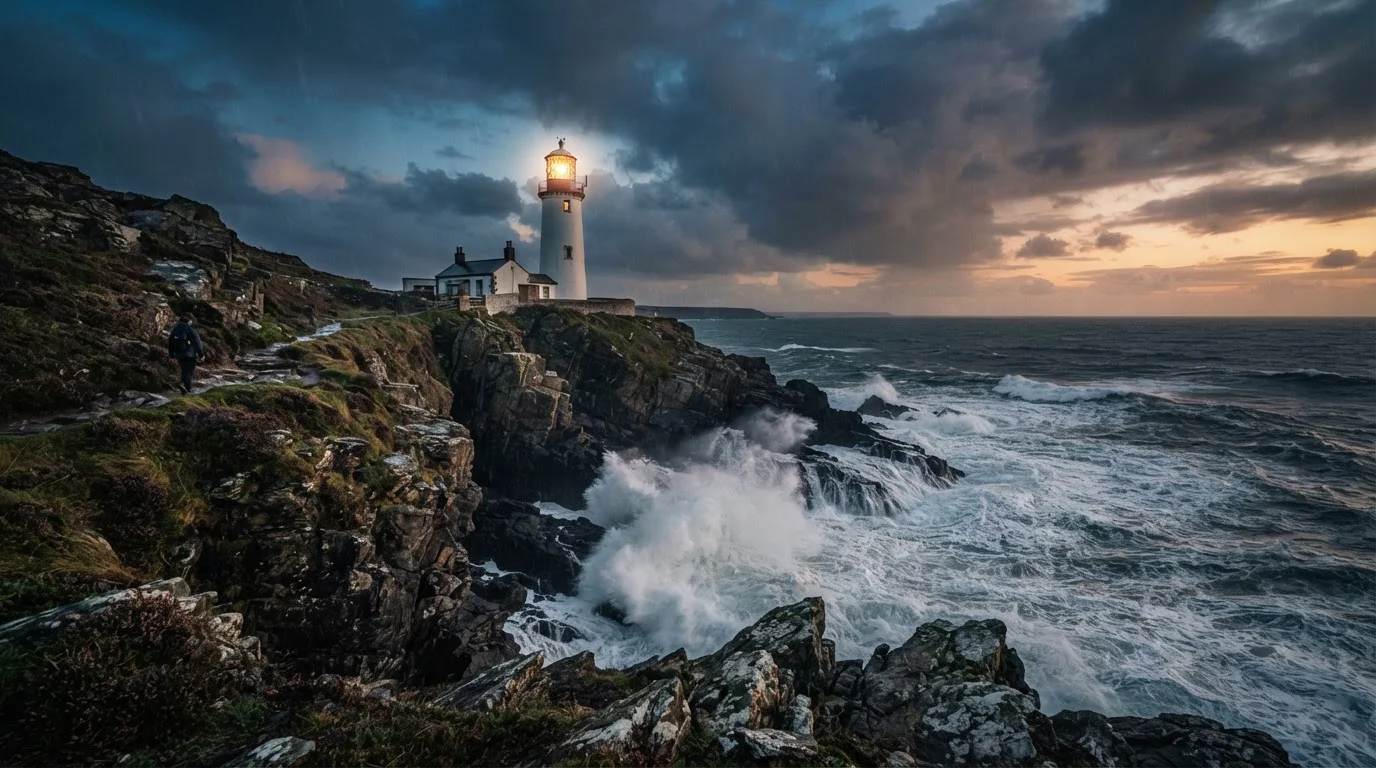
Booking a night in a lighthouse sounds straightforwardly romantic - and it often is. But the reality of what you're sleeping in varies considerably depending on the property. Some lighthouses have been converted into fully furnished cottages or keeper's quarters with modern kitchens and comfortable beds. Others are closer to heritage preservation projects where guests are expected to accept genuinely spartan conditions as part of the experience.
Most converted lighthouses are managed by preservation trusts, coastal nonprofits, or small independent operators rather than hotel chains. That means the experience is deeply tied to the specific property rather than a brand standard. Before booking, it's worth understanding what you're actually paying for - which is not always what the listing imagery suggests. The limitations of online reviews for boutique properties apply here especially strongly, since lighthouse stays attract enthusiastic guests who may overlook comfort shortcomings in their ratings.
Working vs. Decommissioned Lighthouses
Some lighthouse stays take place in properties that still contain active navigational equipment - automated lights, fog signals, or monitoring systems. These are typically managed by maritime authorities and may have operational restrictions guests must respect. Decommissioned lighthouses transferred to preservation trusts generally offer more flexibility in how the space is used and presented for guests. Confirm which category applies before booking, as this affects both the atmosphere and any access limitations.
The Case For Booking a Lighthouse
There are genuine, compelling reasons why lighthouse accommodations have developed a dedicated following among experienced travelers seeking something beyond the standard hotel room.
Exceptional, irreplaceable sense of coastal place
Lighthouses sit at geographically significant points - headlands, harbor mouths, remote islands - that most travelers never access as overnight guests. The relationship between the structure and the landscape is often genuinely dramatic.
Rich historical and maritime character
Many working and former lighthouse stations have documented histories stretching back centuries. Staying in a keeper's quarters connects guests to a tangible layer of maritime heritage that no themed hotel room can replicate.
Genuine quiet and isolation from crowds
By definition, lighthouses are positioned away from populated areas. Guests looking to genuinely disconnect from urban noise and tourist density often find this the most restorative aspect of the stay.
Unobstructed views rarely available in standard accommodation
360-degree ocean or coastal panoramas, visible sunrises and sunsets, and open skies for stargazing are frequently cited as the experience's defining highlights - and they are not exaggerated.
Memorable, hard-to-replicate travel story
For frequent travelers who feel they've stayed everywhere, a lighthouse offers a genuinely distinct reference point - one with a specific physical character that's difficult to confuse with anything else.
The sense of place is the central draw. A lighthouse was built for a specific coastal geography - headland, harbor entrance, offshore rock - and that relationship with the landscape is something guests can feel immediately. For travelers who find meaning in authentic local character rather than polished hospitality, this matters enormously. It also connects to broader smart strategies for distinctive hotel stays that prioritize location integrity over amenity lists.
What Gives Travelers Pause
The same qualities that make lighthouse stays distinctive are also the source of most guest complaints. Understanding these honestly is essential to deciding whether this type of accommodation is right for you.
Very limited amenities compared to standard hotels
Room service, daily housekeeping, on-site dining, luggage assistance, and concierge services are essentially absent at almost all lighthouse properties. Guests need to be self-sufficient in ways they may not anticipate.
Compact, sometimes awkward interior spaces
Lighthouse towers and keeper's cottages were designed for functional maritime purposes, not guest comfort. Ceilings may be low, corridors narrow, and sleeping areas unusually shaped - sometimes charmingly, sometimes frustratingly.
Significant physical access requirements
Many properties involve steep external staircases, uneven coastal terrain, or boat-access-only approaches. Travelers with mobility limitations should verify access carefully, as many sites cannot accommodate them.
Remote location creates logistical challenges
Grocery runs, restaurant options, and emergency services may all be substantially further away than guests are used to. Self-catering typically requires planning ahead rather than relying on nearby infrastructure.
Noise from maritime operations or natural environment
Automated fog signals, wave impact, and wind exposure at exposed coastal sites can create persistent background noise that affects sleep quality for some guests, even when considered atmospheric during waking hours.
Misreading listing language is one of the most common sources of disappointment. The same issues that cause friction in standard hotel bookings - misleading photo angles, vague amenity descriptions - are amplified in unconventional stays. Reviewing our guide on how to read accommodation listings accurately before committing to a lighthouse booking is a practical step. Similarly, the booking errors common to boutique stays - particularly around cancellation policies and amenity assumptions - apply in full here.
~850
Historic lighthouses available for overnight stays in the US
The US Lighthouse Society estimates several hundred lighthouse properties across the country offer some form of overnight guest accommodation, ranging from full cottages to basic bunk stays.
40%+
US lighthouses now decommissioned from active use
The US Coast Guard has transferred a substantial portion of its historic lighthouse inventory to preservation organizations, nonprofits, and municipalities - many of whom fund upkeep through visitor programs.
Practical Considerations Before You Commit
A few concrete questions are worth resolving before finalizing any lighthouse booking:
- Access and mobility: How many stairs does the keeper's quarters involve? Is the access path paved or rough? Lighthouse properties often cannot offer accessibility accommodations, and this should be verified directly with the operator.
- Heating and climate control: Coastal climates are highly variable. Ask explicitly whether heating is adequate in cooler months and whether windows can be opened effectively in summer.
- Noise environment: Fog horns, maritime radio, automated light mechanisms, and open-ocean wave noise are all possible. Some guests find this atmospheric; others find it disruptive to sleep.
- Connectivity: Remote locations often mean unreliable mobile signals and no Wi-Fi. If this matters to your trip, confirm coverage before booking.
- Cancellation terms: Small operators frequently have strict no-refund policies, particularly in high season. Read these carefully.
Lighthouse stays reward thorough research in a way that chain hotels simply don't require. The effort is worth it - but skipping it is a common regret.