
What the Ports Actually Look Like
An Eastern Mediterranean itinerary is, at its core, a journey through civilizations. A typical 10- to 12-night sailing might depart from Athens (Piraeus) or Venice and call on Santorini, Mykonos, Rhodes, Kusadasi (gateway to Ephesus), Dubrovnik, and Split. Some itineraries extend further to Haifa (Israel) or Alexandria (Egypt), placing extraordinary ancient monuments within a single voyage. The defining characteristic is depth over breadth - each port carries centuries of layered history that rewards unhurried exploration.
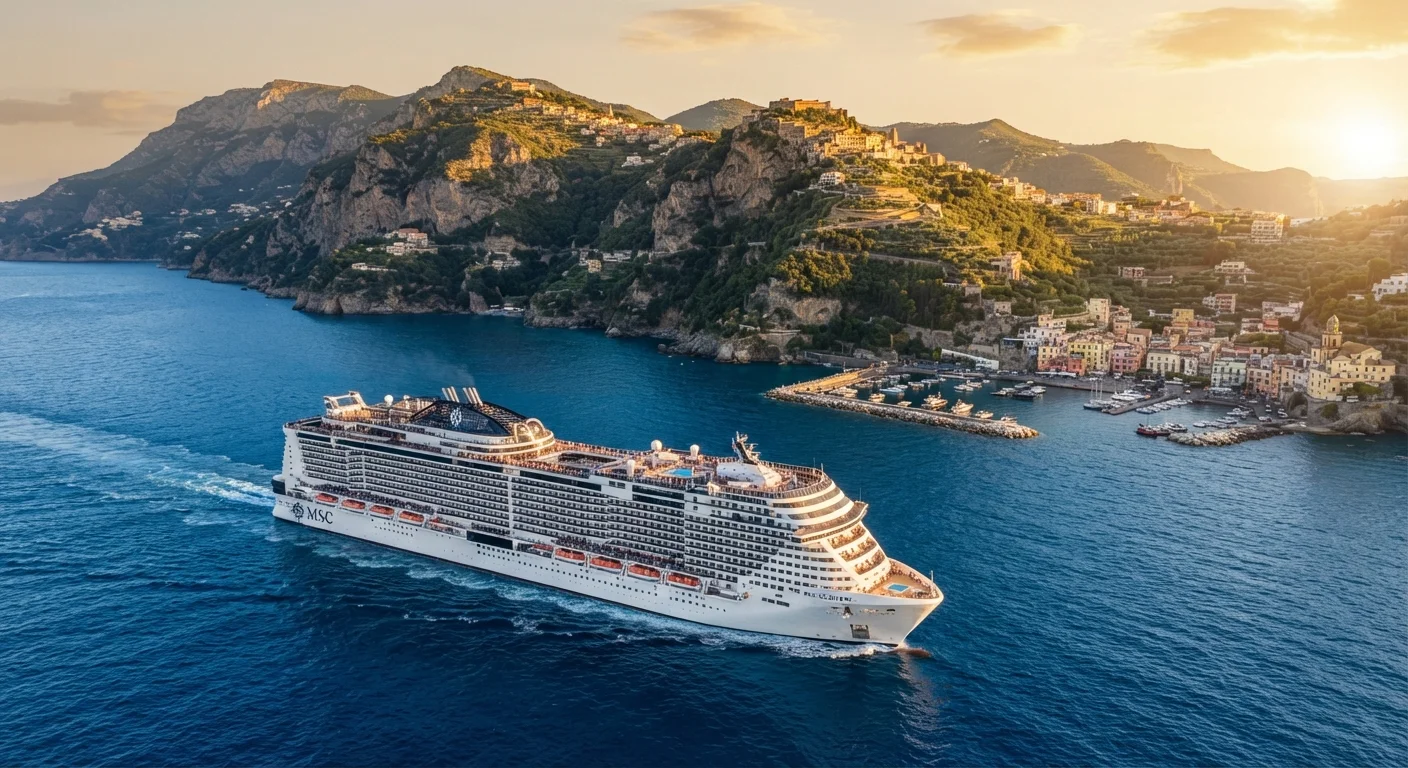
Western Mediterranean itineraries operate on a different premise. A classic round-trip from Barcelona or Rome might include Palma de Mallorca, Marseille, Livorno (Florence and Pisa), Civitavecchia (Rome), Naples, and Gibraltar. The emphasis falls on European city-hopping - art galleries, cathedral squares, and coastal promenades - rather than archaeological revelation. Ports are generally larger, more commercially developed, and better connected to major rail and road networks.
| Criterion | Eastern Mediterranean | Western Mediterranean |
|---|---|---|
| Signature ports | Athens, Santorini, Dubrovnik, Ephesus, Rhodes | Barcelona, Rome, Florence, French Riviera, Naples |
| Cultural focus | Ancient civilizations, Byzantine and Ottoman history | Renaissance art, European city culture, coastal lifestyle |
| Port walkability | Variable; many sites require transfers | Generally high; city centers often pier-adjacent |
| Ship size suitability | Mid-size ships often preferred; berth limits apply | Large and mega-ships common; infrastructure supports them |
| Typical itinerary length | 10-14 nights most common | 7-12 nights most common |
| Peak crowd intensity | Very high at Santorini, Mykonos in July-August | High at Barcelona, Dubrovnik in July-August |
| Entry complexity | Can be higher; some ports require visa checks | Lower within Schengen zone for US passport holders |
Choosing between them often comes down to a simple question: do you want to stand inside a Greek amphitheater or inside the Uffizi? Both are legitimate answers - and both deserve an honest itinerary match. For travelers uncertain whether an ocean cruise fits their style at all, it's worth reading our comparison of ocean and river cruising experiences before committing to either Mediterranean route.
Pace, Shore Excursions, and Practical Logistics
Logistics shape the experience as much as the destinations themselves. In the eastern basin, many headline sites sit well inland from the pier. Ephesus is roughly a 20-minute transfer from Kusadasi; the Acropolis is a metro ride and a steep climb from Piraeus. Travelers who rely solely on included port time may feel rushed. Longer excursion windows - or itineraries that build in overnight stays in Athens or Istanbul - make a meaningful difference.
Western ports, by contrast, tend to place passengers within walking distance of significant attractions. Stepping off in Ajaccio, Palma, or Valletta (Malta), independent exploration is straightforward. That said, the region's most famous inland destinations - Florence from Livorno, Rome from Civitavecchia - still require 60- to 90-minute transfers each way, eating into a standard port day.
~26M
Annual cruise passengers in the Mediterranean
The Mediterranean consistently ranks as one of the world's busiest cruise regions, according to Cruise Lines International Association (CLIA) regional data.
Top 3
Most visited cruise ports globally
Barcelona, Civitavecchia (Rome), and Piraeus (Athens) regularly appear among the world's busiest cruise ports by passenger volume, per CLIA annual reports.
60-90 min
Transfer time to Florence or Rome from pier
Livorno to Florence and Civitavecchia to Rome each require roughly this transfer window each way, a significant portion of a standard 8-10 hour port day.
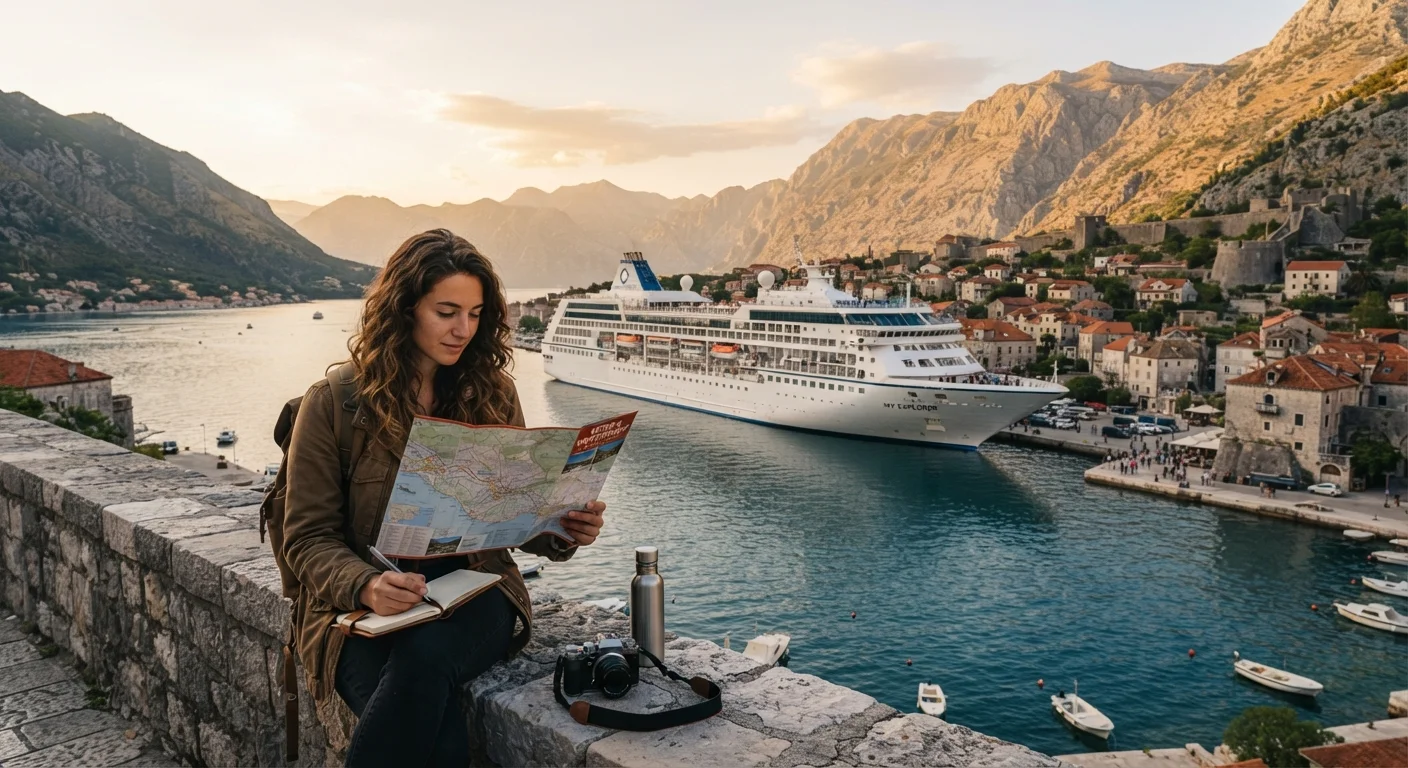
Ship size is another variable worth weighing. Mega-ships carrying 4,000-plus passengers dominate western ports with large infrastructure. In the eastern Adriatic, berth restrictions at Dubrovnik and Kotor have historically limited vessel size, creating a more intimate experience on smaller or mid-size ships. If that dynamic matters to you - and it should - our guide to matching your travel style to the right cruise line covers how to align ship scale with destination priorities.
Travelers who value slow, immersive cultural engagement over port-a-day momentum may find either Mediterranean route benefits from a deliberate approach. The principles in slow travel vs. itinerary-heavy tours apply directly to how you plan excursion time in both regions.
Hybrid Itineraries Are Increasingly Common
Many cruise lines now offer 'grand Mediterranean' sailings that blend eastern and western ports in a single voyage - often repositioning between the two basins via the Strait of Messina or a sea day through the Tyrrhenian. These longer sailings (typically 14 nights or more) suit travelers who don't want to choose, but they move quickly and reward passengers who have already visited the marquee ports and are comfortable navigating back-to-back excursion-heavy days.
Seasonality, Crowds, and Off-Peak Considerations
Both halves of the Mediterranean share a broadly similar sailing calendar - April through October covers the comfortable range, with July and August representing peak demand and peak heat. However, the experience of high season differs regionally. Santorini in August is one of the most congested cruise destinations on earth; the caldera steps can see thousands of visitors simultaneously. Travelers sensitive to crowds should consider shoulder-season sailings in May, early June, or September, when temperatures remain pleasant and port congestion eases considerably.
In the western Mediterranean, summer crowds in Barcelona and Dubrovnik (technically an eastern port, but frequently included in hybrid itineraries) follow a similar pattern. The French Riviera - Nice, Villefranche, Monaco - tends to be more manageable from the pier itself, though road and rail links to inland Provence fill quickly in peak weeks.
One often-overlooked consideration: eastern Mediterranean itineraries touching Israel, Egypt, or Lebanon require careful, up-to-date review of entry requirements and any relevant travel advisories. Conditions in this region can shift; always verify visa requirements, vaccination guidance, and government travel advisories well before departure through official sources such as the U.S. Department of State and the cruise line's own pre-departure documentation. Europe's river cruise routes offer a useful alternative for travelers who want deep cultural immersion without the logistical complexity of the eastern Mediterranean's more politically dynamic ports.