
What Each Programme Actually Does
Both TSA PreCheck and Global Entry are U.S. government trusted traveller programmes that expedite airport processing, but they solve different friction points in the journey.
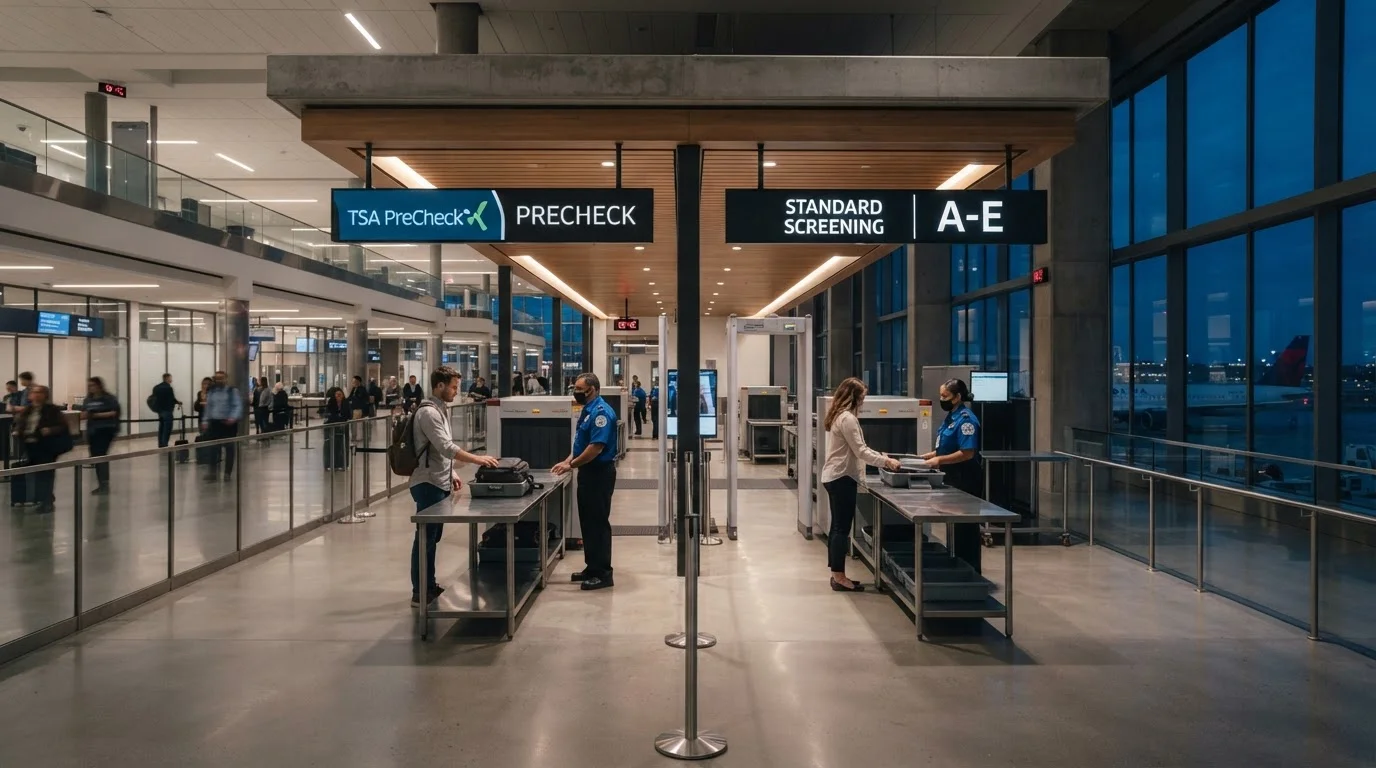
TSA PreCheck is administered by the Transportation Security Administration and lets approved travellers use dedicated security lanes at participating U.S. airports. Members keep shoes on, laptops in bags, and liquids in carry-ons - skipping the most time-consuming steps of standard screening. The programme is accepted on most major U.S. carriers and at more than 200 airports.
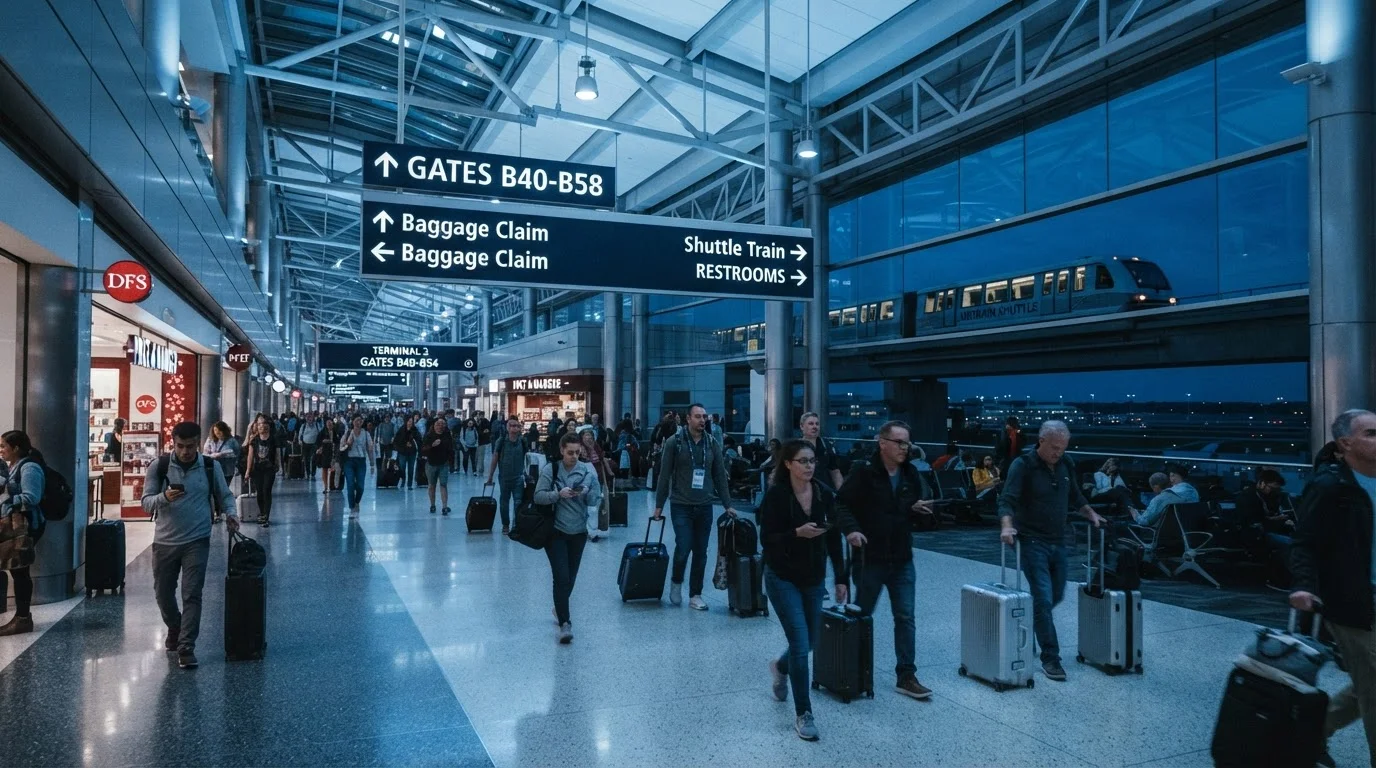
Global Entry is administered by U.S. Customs and Border Protection (CBP) and primarily targets the re-entry friction international travellers face. At participating international airports, members use automated kiosks to clear U.S. Customs in minutes rather than standing in queues that can stretch well beyond an hour. Crucially, every approved Global Entry member automatically receives TSA PreCheck, making it a superset of the domestic programme.
Before flying, it pays to review your full document and logistics checklist - see our pre-departure airport checklist for a practical run-through.
| Criterion | TSA PreCheck | Global Entry |
|---|---|---|
| Application fee (5 years) | $78 | $100 |
| Expedited U.S. departure security | Yes | Yes (included) |
| Expedited U.S. Customs on return | No | Yes |
| In-person interview required | Enrolment appointment | Full CBP interview |
| Eligible nationalities | U.S. citizens & LPRs | U.S. + select other countries |
| Airports covered (departures) | 200+ U.S. airports | 200+ U.S. airports |
| Kiosk re-entry coverage | Not applicable | Major U.S. international airports |
| Renewal period | Every 5 years | Every 5 years |
Costs, Eligibility, and the Application Process
TSA PreCheck currently costs $78 for a five-year membership when applying through the TSA directly. Global Entry costs $100 for five years - a $22 difference that buys substantially broader coverage.
Eligibility differs meaningfully. TSA PreCheck is open to U.S. citizens, U.S. nationals, and lawful permanent residents. Global Entry extends to citizens of several other countries under bilateral agreements, including Canada, the UK, Germany, and South Korea, among others - verify current eligibility with CBP before applying, as the list evolves.
The application path also diverges. TSA PreCheck involves an online application, background check, and a brief in-person appointment at an enrolment centre (fingerprinting and identity verification). Global Entry requires the same background check elements plus a scheduled in-person interview at a CBP Enrollment Center or, for eligible applicants, an interview on arrival at a participating airport. Interview wait times can run several weeks to months depending on location, so planning ahead matters.
200+
U.S. airports participating in TSA PreCheck
According to TSA programme data, PreCheck lanes are available at more than 200 U.S. airports across major and regional carriers.
45+ min
Typical peak-hour Customs wait at major U.S. gateways
CBP processing times at high-volume international airports such as JFK and LAX regularly exceed 45 minutes during peak arrival windows without trusted traveller programmes.
$22
Price difference between Global Entry and PreCheck
At current published rates, Global Entry costs $22 more than a standalone PreCheck application over a five-year membership period.
Many travel-focused credit cards reimburse the Global Entry or TSA PreCheck application fee as a statement credit. If your card offers this benefit, applying for Global Entry rather than PreCheck alone is generally the more efficient use of that credit - you receive both programmes for effectively the same net cost. Check your card's current terms directly with your card issuer for specifics.
Where Each Programme Falls Short
Neither programme is a universal pass, and experienced travellers benefit from understanding the gaps.
TSA PreCheck limitations: PreCheck eligibility does not automatically transfer to every airline operating your flight. Low-cost carriers and some charter operators may not participate, so confirm participation before assuming the lane is available. Additionally, TSA can redirect PreCheck members to standard lanes during high-volume periods or for security-related reasons - the programme reduces friction but does not eliminate variability.
Global Entry limitations: Global Entry kiosks are available at a defined list of international airports. If your flight arrives at a smaller U.S. port of entry without kiosk infrastructure, you will still clear Customs through standard channels. The programme also does not cover international departure screening in foreign airports - that process is governed by local aviation authorities, not CBP or TSA.
Conditional Screening: Not a Guarantee
TSA PreCheck designation on your boarding pass does not guarantee expedited lane access on every flight. TSA reserves the right to redirect passengers to standard screening based on operational and security conditions. Travellers should always allow buffer time at security regardless of their programme status. Similarly, Global Entry kiosk availability depends on the specific port of entry.
For travellers who take cruises that depart from or return to U.S. ports, understanding your trusted traveller status in the context of embarkation and re-entry documents is equally important. The pre-cruise preparation checklist covers what to verify before your departure date.
Making the Right Call for Your Travel Pattern
The decision between TSA PreCheck and Global Entry comes down to a straightforward pattern analysis: how often do you cross international borders, and from which airports do you typically return to the U.S.?
If your travel is almost entirely domestic - regional business trips, weekend getaways within the continental U.S. - PreCheck addresses your primary security friction point at a lower enrolment cost. If you take even two international round trips annually, the Customs clearance time you save with Global Entry recoup its cost difference quickly, and the bundled PreCheck access means you are not paying for two separate memberships.
Before your next trip, run through your confirmation documents and flight details with a structured checklist - our pre-departure flight confirmation checklist covers seat assignments, travel docs, and last-minute schedule changes. Knowing your trusted traveller number is entered correctly on your booking is one of the most common oversights even seasoned flyers make.
Programme fees, eligibility criteria, and participating airports are subject to change. Verify current information directly with the TSA and U.S. Customs and Border Protection before applying.