
Why Transylvania Deserves a Reframe
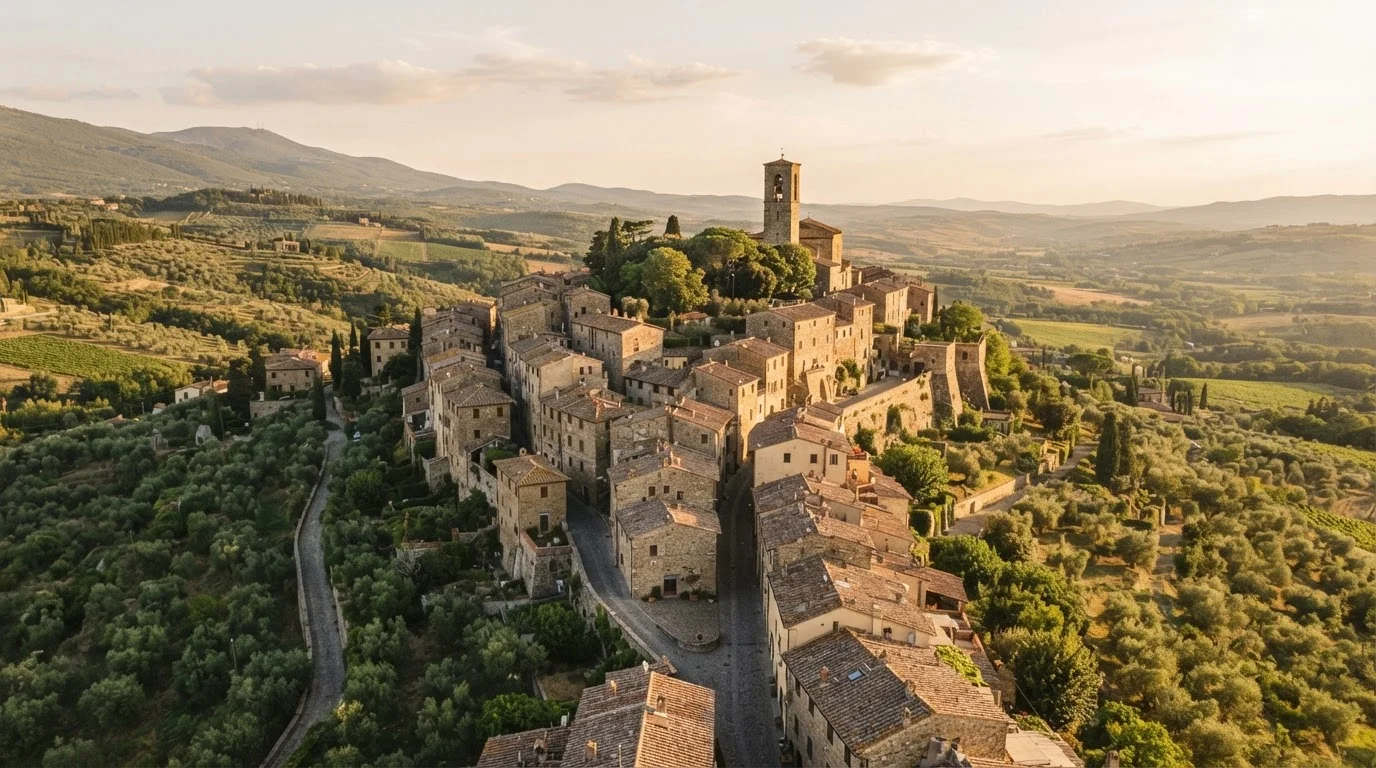
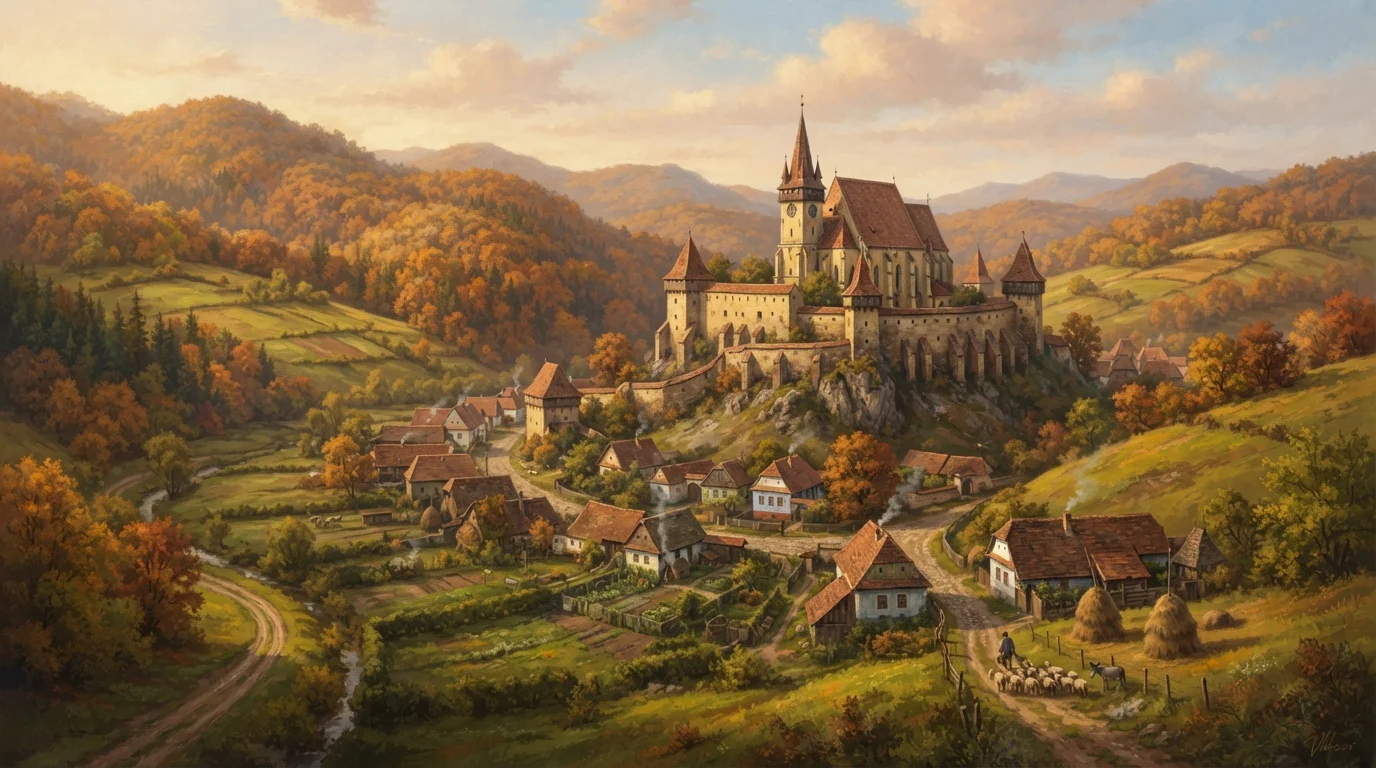
Most travelers who come to Transylvania arrive hunting Dracula - the castle at Bran, the Gothic skyline of Braşov, the legends that Bram Stoker never actually visited. That's a fine enough starting point, but it tends to obscure something considerably more interesting: one of Central Europe's most intact and layered cultural landscapes, where Saxon German settlers built fortified churches in the 12th century, where Szekely Hungarian communities have preserved a distinct language and tradition for centuries, and where the Carpathian mountains still shelter bears, wolves, and lynx in numbers that have vanished almost everywhere else on the continent.
Europe's overlooked villages reward the curious traveler for reasons that hold especially true in Transylvania: the infrastructure is more developed than travelers often expect, the history is deep enough to sustain multiple visits, and the crowds that define better-known Central European destinations simply haven't arrived here yet. Common misconceptions keep many travelers away from Europe's best-kept secrets - concerns about accessibility or safety that don't reflect modern Romania deserve to be set aside.
The Saxon Legacy Is Living History
The Saxon communities who built Transylvania's fortified churches began emigrating after 1989, and the villages they left behind are not museums - they are places where new communities have taken root. Approach them with curiosity and respect rather than nostalgia for a population that is largely gone. The stories told by the people who live there now are equally worth hearing.
How to Do Transylvania Differently: A Practical Guide
What follows is a step-by-step approach to building a Transylvania itinerary that moves beyond the standard circuit. It's designed for travelers who have already seen the highlights of Western Europe and want something that feels genuinely discovered rather than merely visited. The Saxon villages, the fortified churches, and the Carpathian trails require a little more logistical effort than a guided bus tour - but the payoff is an experience that remains, for now, largely your own.
What you will need
Offline maps app (e.g., Maps.me or OsmAnd)
Rural Transylvania has inconsistent mobile data coverage; offline maps are essential for navigating between villages.
Certified local guide (wildlife or cultural)
Required for responsible bear-tracking excursions and strongly recommended for accessing privately managed fortified churches.
Rental car or hired driver
Public transport between smaller Saxon villages is infrequent; a vehicle is the most practical way to reach sites like Viscri or Mălâncrav.
Romanian phrasebook or translation app
English is spoken in cities and guesthouses but rarely in smaller villages - a few phrases go a long way with locals.
Cash in Romanian Leu (RON)
Many village guesthouses, church entrance donations, and rural market stalls do not accept cards.
Choose your base and arrival point
Most visitors fly into Cluj-Napoca or Bucharest, both of which have international connections and onward train routes. Sibiu is arguably the most rewarding base for exploring the Saxon heartland - it functions as a proper city with good guesthouses and restaurants while sitting within an hour's drive of the densest cluster of fortified villages. Sighişoara, with its intact medieval citadel, is a strong second option. Resist the pull of Braşov as your sole anchor; it's the most visited city in the region and tends to funnel travelers toward the same Bran Castle loop.
Plot a Saxon village circuit
The UNESCO-listed fortified churches of Transylvania - Biertan, Viscri, Prejmer, Câlnic, Dârjiu, Saschiz, and Valea Viilor among them - are distributed across a roughly 100-kilometer corridor. Rather than rushing between them, choose three or four and give each genuine time. Biertan's tiered fortifications and ornate altarpiece repay slow exploration. Viscri, once home to a Saxon community that has since largely emigrated, retains an almost suspended-in-time quality; the village lanes are still lived in by Romanian and Roma families who have made it their own. Check opening hours before visiting - some churches are managed by local keepers and open only on request or during limited hours.
Spend time in the villages, not just the churches
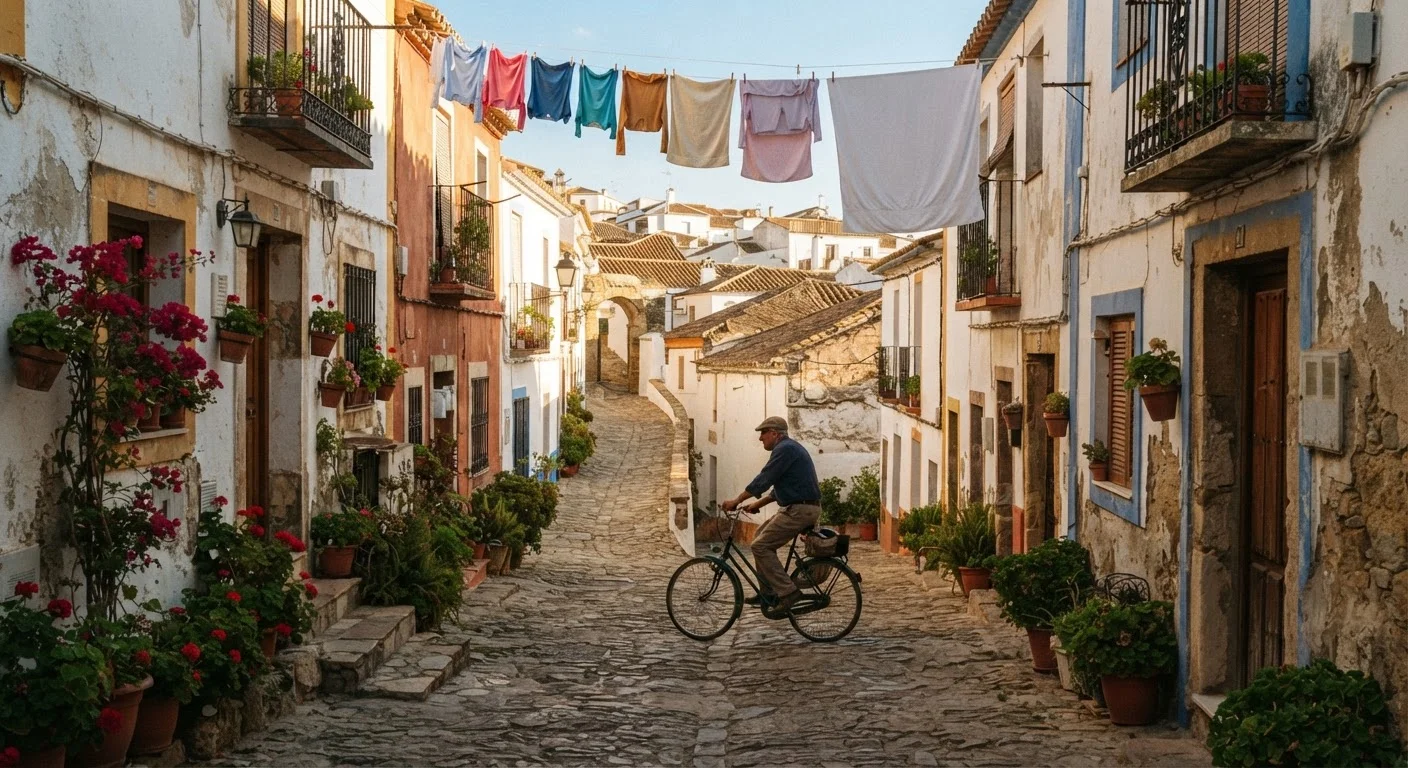
The fortified churches are the draw, but the villages around them are the experience. Walk the unpaved lanes of Mălâncrav and you'll pass working farmyards, orchards, and wooden gates carved by craftspeople generations ago. In Rimetea (technically in the Transylvanian Apuseni foothills rather than the Saxon zone, but worth the detour), whitewashed houses and a single main street create one of the most photogenic streetscapes in Central Europe. Accept that some of these places function as real communities - ask before photographing people or entering courtyards, and consider buying directly from local producers. Understanding the responsibilities that come with visiting undervisited places is worth reading before you set out.
Plan a Carpathian wildlife excursion
The forests above Zărneşti, on the southern edge of Piatra Craiului National Park, are the site of bear-watching hides operated by certified guides. Brown bear populations in Romania's Carpathians are significant, and guided twilight sessions from concealed observation points offer genuine wildlife encounters without baiting or harassment. Book well in advance, verify that any operator adheres to national park guidelines, and understand that sightings are never guaranteed. The hike into Piatra Craiului's limestone ridge - a serious but manageable full-day route - rewards experienced walkers with views that rival any in the Alps without the crowds. What travelers miss when they underestimate the Carpathian route covers the broader mountain context across Romania and beyond.
Integrate food and craft into your itinerary
Transylvanian cuisine reflects its layered cultural history - German-influenced pork preparations sit alongside Hungarian paprika stews and Romanian mămăligă (cornmeal porridge). Sibiu's market hall and Sighişoara's weekly farmers' market are good starting points. In villages, look for guesthouses that serve home-cooked meals using produce from their own land - these are rarely advertised online and are best found by asking locally or through smaller travel associations. Craft traditions - hand-painted furniture, woven textiles, carved woodwork - survive in pockets of the region; the pieces you find in village homes or roadside workshops are typically made locally, unlike much of what is sold in Braşov souvenir shops.
Verify Entry and Safety Conditions Before Traveling
Romania is an EU member state, but entry requirements, visa rules, and travel advisories vary by nationality and can change. Always check your government's official travel advisory and Romania's border authority guidance before booking. For wildlife areas and national parks, follow posted regulations - brown bear encounters outside a guided context carry genuine risk.