
Understanding Belize's Two Land Border Crossings
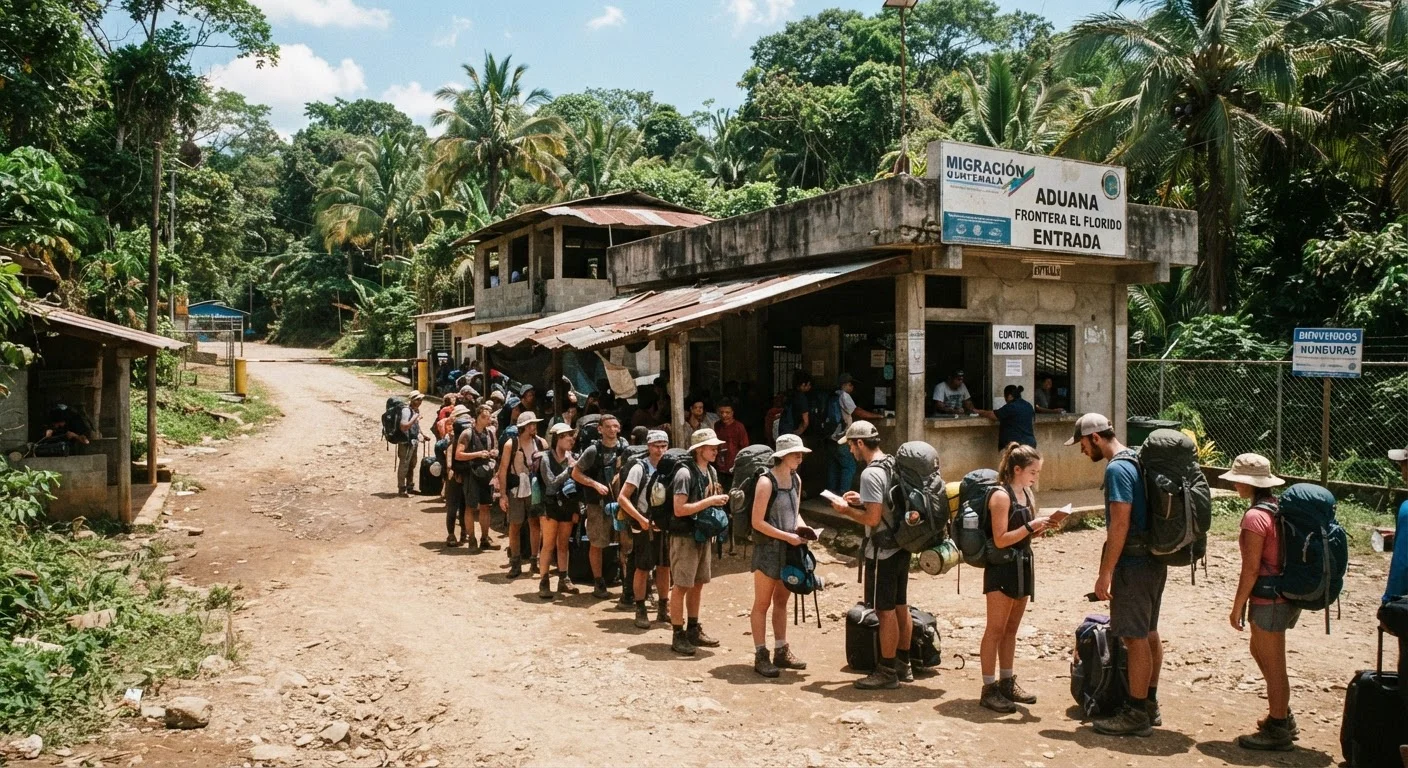
Belize sits tucked between Mexico to the north and Guatemala to the west, and for overland travelers arriving from either direction, the border crossing is an unavoidable but entirely manageable part of the journey. Unlike some of Central America's more complex frontier posts, Belize's two principal land crossings are well-established, staffed during regular hours, and used daily by a mix of locals, expats, and independent travelers. What they are not is seamless - and understanding the mechanics of each before you arrive will save you time, confusion, and potentially money.
The northern crossing at Santa Elena (known on the Mexican side as Subteniente López, near Chetumal) is the busier of the two. Chetumal, the capital of Quintana Roo state, sits just kilometers from the border and serves as a functional transit hub. Travelers arriving from Cancún, Playa del Carmen, or the Riviera Maya typically take the ADO bus south to Chetumal, then switch to local transport or a cross-border shuttle for the final push into Belize. The infrastructure on both sides is relatively organized, though the post can become crowded when multiple long-distance buses arrive simultaneously.
The western crossing at Benque Viejo del Carmen - mirrored by Guatemala's Melchor de Mencos - is quieter and more intimate, but no less important. It's the natural entry point for anyone coming from Flores, the island base for Tikal, and it deposits you directly into Belize's Cayo District, arguably the country's most rewarding region for travelers interested in Maya archaeology, caving, and river journeys through the jungle interior.
What you will need
What to Prepare Before You Reach the Border
The single greatest source of border-crossing delays is avoidable: arriving without the right documents or the right currency. Both crossings are primarily cash economies at the fee windows, and while this may change over time, it is safest to assume that card payments will not be available. Carry enough USD or Belizean dollars to cover departure fees on the outbound side plus entry and conservation fees on the Belizean side, with a small buffer for transport immediately after crossing.
Valid Passport
Required for identity verification and entry stamping at both the outbound and Belizean immigration desks.
Cash in USD or BZD
Covers border departure fees, Belizean entry and PACT conservation fees, and any incidental costs at the crossing.
Onward Travel Proof
A return or onward ticket demonstrating you plan to leave Belize within your permitted stay period.
Printed Accommodation Confirmation
Provides your first-night address quickly when asked by immigration officers at the border.
Offline Maps Application
Useful for navigating local transport connections immediately after the crossing, where data coverage may be limited.
Beyond cash, your documentation needs to be airtight. Immigration officers at Benque Viejo in particular - where staffing is leaner - tend to scrutinize onward travel proof more carefully than at busier posts. A printed or clearly accessible digital copy of a flight booking, bus ticket, or confirmed shuttle reservation leaving Belize is worth having ready. If you plan to stay longer than 30 days, research the extension process through official Belizean immigration channels before you arrive at the border, not after.
Verify Entry Requirements Before You Travel
Visa policies, entry fees, and border hours can change without advance notice. Always check the official Belize Tourism Board website and your own government's travel advisory before crossing. Do not rely solely on this article or third-party sources to confirm current rules.
Navigating the Crossing Itself
The actual crossing unfolds in a predictable sequence: exit the country you're leaving, walk or ride across the border zone, then enter Belize. Between the two immigration buildings - particularly at Benque Viejo, where the Mopan River defines the natural boundary - there is a short transit space where informal money changers operate. Exercise caution and good judgment if using these services; exchange rates vary and transactions carry no recourse if they go wrong.
Cross Early for Shorter Wait Times
Both border posts see their heaviest traffic between late morning and early afternoon, largely driven by tour groups and shared shuttle schedules. Arriving at or shortly after opening - typically around 6:00 a.m. local time - can cut your wait to a fraction of peak-hour queues. Confirm current opening hours with your transport provider before departure.
Once through Belizean immigration and customs, your immediate priority is onward transport. At Santa Elena, local buses connect to Corozal and Belize City. At Benque Viejo, taxis and shared rides run the short distance to San Ignacio, where you'll find ATMs, guesthouses, and easy connections to Belize City or the cayes. San Ignacio's market square is one of the more welcoming first impressions Belize offers any overland arrival.
Carry Sufficient Local Currency
Fees at both crossings are typically payable in cash only, and ATMs are not reliably available at the border facilities themselves. Bring a mix of Belizean dollars and US dollars - both are widely accepted in Belize. Do not count on card readers being operational.
This article provides general travel information only. Entry requirements, fees, border hours, and conditions change frequently. Always verify current rules with official government sources - including your own country's foreign affairs department and the Belize Immigration and Nationality Department - before you travel.