
Why "Family-Friendly" Means Different Things on Different Ships
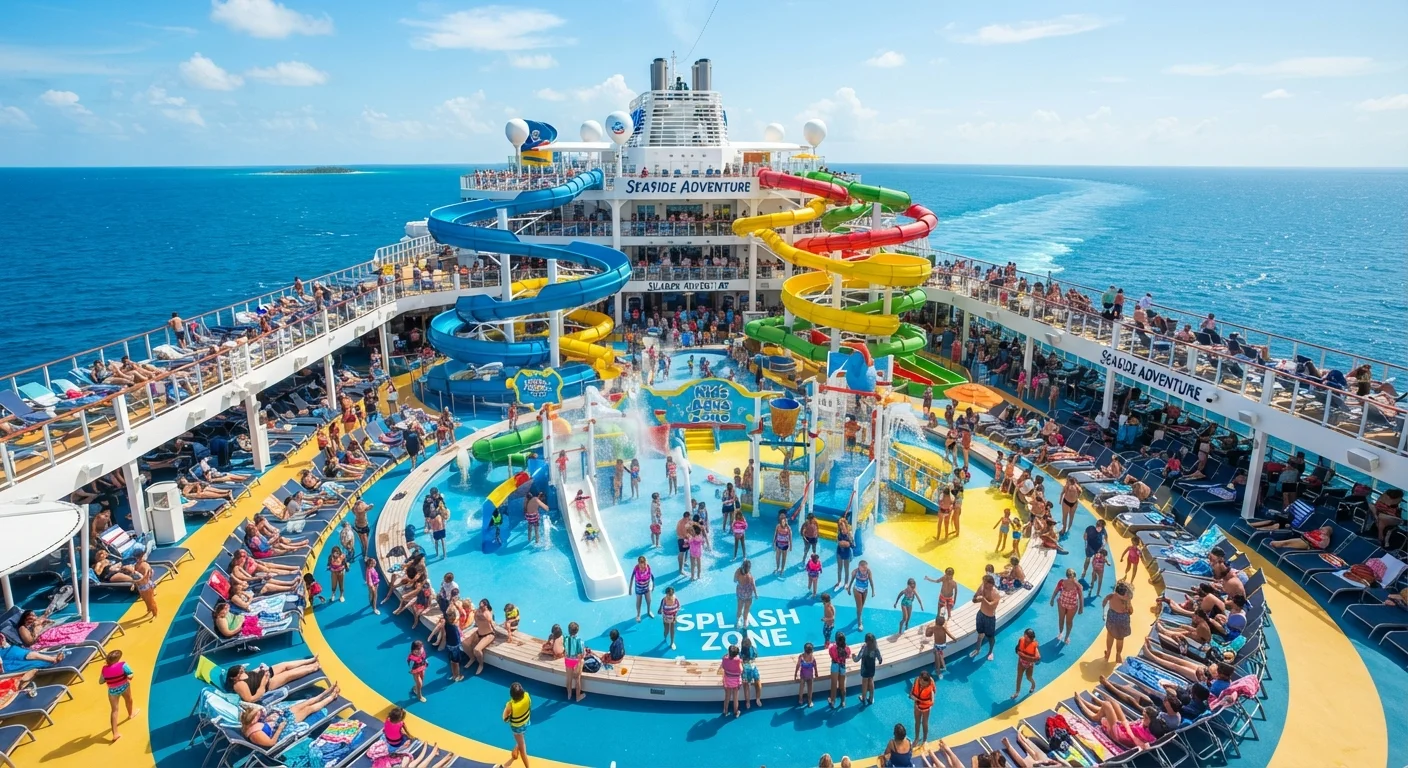
The phrase "family-friendly" has become nearly meaningless in cruise marketing. Every major cruise line claims it, yet the actual infrastructure backing that claim ranges from a single playroom staffed a few hours a day to purpose-built youth complexes with nurseries, teen lounges, science labs, and waterparks spanning multiple decks. Understanding that range is the first step toward a family vacation that actually works.
The defining variables are investment scale, age segmentation, and evening care availability. Lines that treat families as a core demographic build their ships around youth facilities from the hull up. Lines where families are a secondary audience tend to retrofit programming onto ships designed primarily for adult leisure - a compromise that shows once you're onboard.
For a broader picture of how different priorities shape each cruise line's identity, see how cruise lines serve different travel styles.
The Spectrum: Mass-Market Giants vs. Premium and Expedition Lines
At one end of the spectrum, large mass-market lines operating resort-style megaships have made youth programming a central competitive differentiator. Their youth centers are typically divided into four to six age brackets - infants and toddlers, early childhood, tweens, and teenagers - each with dedicated staff, themed spaces, and programming that runs from morning through late evening. Evening care extensions (sometimes called "late-night party zones") allow parents to enjoy adult dining or entertainment without arranging babysitting independently.
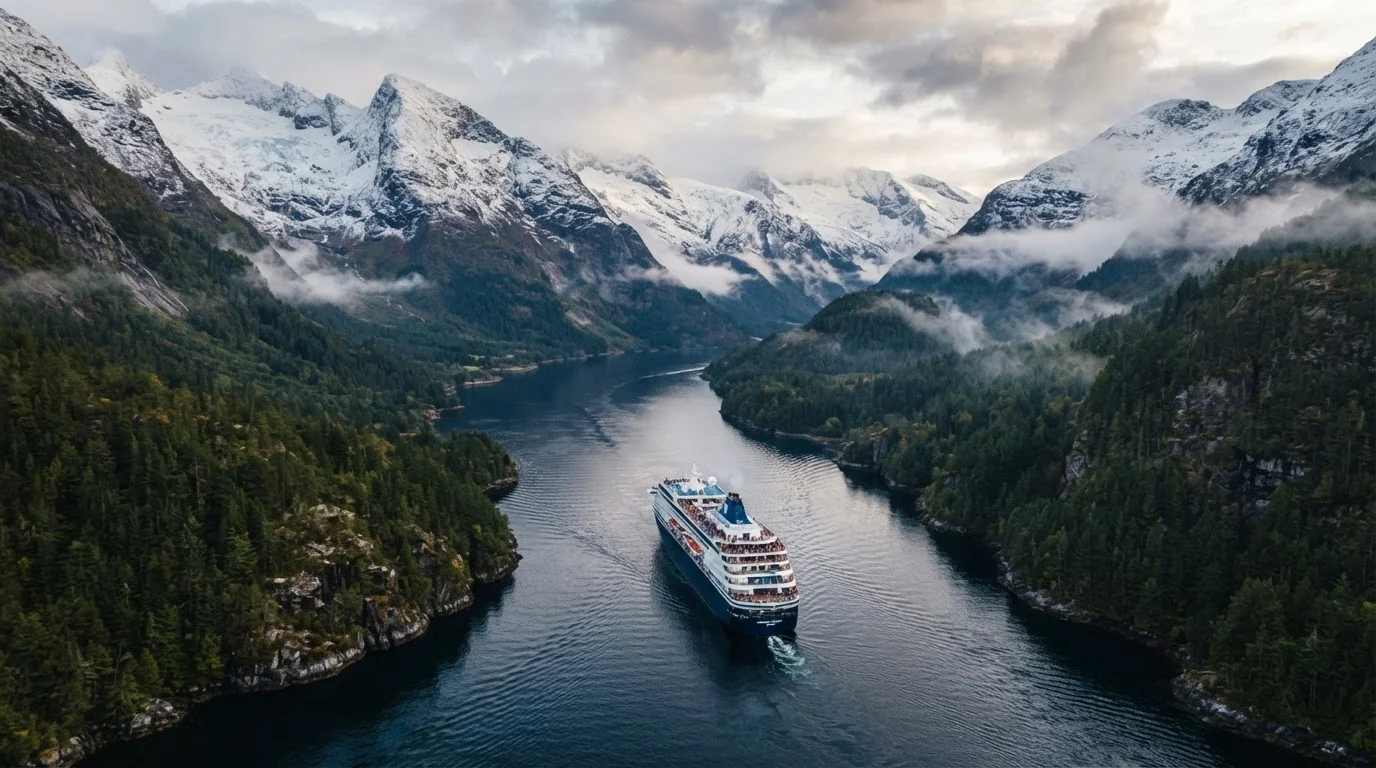
At the other end, ultra-luxury and expedition lines take a sharply different position. Many set minimum age requirements of 18 - or higher for certain itineraries - and those that do welcome children typically offer little beyond a supervised playroom. Expedition ships venturing to the Galápagos, Antarctica, or the Norwegian fjords often provide naturalist-led programming that engages curious teenagers exceptionally well, but it's educational rather than entertainment-driven, and infants or young children are rarely accommodated at all.
| Mass-Market Resort Lines | Premium Lines | Expedition / Small-Ship Lines | |
|---|---|---|---|
| Minimum age accepted | As low as 6 months | Typically 12-24 months | Often 8-18 years (itinerary-dependent) |
| Youth club age segmentation | 4-6 age brackets | 2-3 age brackets | Minimal or none |
| Evening / late-night care | Commonly available | Select ships/sailings | Rarely available |
| Teen-specific programming | Dedicated teen lounges and events | Shared or limited teen space | Naturalist education programs |
| Adult-only spaces | Available but limited on family ships | Strong adult-exclusive areas | Entire ship is adult-oriented |
| Family suite / connecting cabin options | Widely available | Select configurations | Very limited |
Premium lines occupy the middle ground, usually offering structured kids' clubs on select sailings or ships, alongside genuinely adult-caliber dining and entertainment. The trade-off is intentional: these lines court couples and multigenerational groups simultaneously, which means the family infrastructure, while competent, rarely matches the depth of a dedicated family-market vessel.
Age Policies, Staff Ratios, and What the Fine Print Reveals
Minimum age policies are one of the starkest differentiators between cruise lines. Some mass-market lines accept infants as young as six months, while others set a floor of twelve or even twenty-four months. Expedition lines regularly enforce a minimum of eight or twelve years for certain itineraries due to safety protocols at remote landing sites. These aren't suggestions - they're enforced at embarkation.
Staff-to-child ratios matter considerably for families with very young children. Regulated ratios ensure meaningful supervision, but the actual figures vary and aren't always published proactively; it's worth asking directly when researching a sailing. Lines with strong family reputations tend to be transparent about this metric.
Don't Assume Brand Promises Apply to Every Ship
A cruise line's family reputation is built on its newest, largest ships - not its entire fleet. Older vessels within the same brand may have significantly reduced youth facilities, smaller play areas, and fewer staffed programming hours. Always check the specific ship's deck plan and amenity list, not just the line's general marketing materials, before finalizing a booking with children in tow.
It's also worth noting that youth programming quality can differ markedly between ships within the same cruise line. An older vessel may carry the brand name but lack the purpose-built facilities of a newer flagship. Ship class and fleet age shape the experience far more than the brand logo alone - always review the specific ship's deck plan before committing.
Practical Considerations for Multigenerational Groups
Multigenerational travel - grandparents, parents, and children sailing together - places unique demands on a ship. The ideal vessel offers genuine programming for every generation simultaneously, rather than forcing the group to compromise on a single shared activity. Lines that invest in both robust kids' clubs and meaningful adult-only spaces (specialty restaurants, adult pool decks, spa concourses) allow each generation to decompress independently and reconvene for shared meals and port excursions.
Cabin configuration is another practical consideration that families often underestimate. Connecting staterooms, family suites with separate sleeping areas, and in-cabin bunk configurations vary by ship class - not just by line. Booking a ship that lacks these configurations can turn an otherwise well-suited itinerary into a logistical challenge.
Ask About Ratios and Hours Before Booking
When researching family sailings, contact the cruise line directly to ask about staff-to-child ratios in the youth center, the specific hours programming runs, and whether evening care is included or costs extra. These details rarely appear in brochures but make an outsized difference in how the vacation actually unfolds for parents traveling with young children.
For families prioritizing destination immersion over onboard amenities, exploring itinerary options alongside the ship selection process ensures the ports of call align with what the whole group - children included - will find meaningful. Practical pre-departure planning can also make a significant difference in how smoothly a multigenerational sailing comes together.