
Why Cruise Myths Persist - and Why They Matter
Many first-time cruisers arrive with a mental image shaped by decades-old pop culture references, word-of-mouth from non-cruisers, or assumptions borrowed from resort travel. The result is a pattern of mismatched expectations: travelers who skip cruising entirely because they fear constant seasickness, or who board expecting wall-to-wall crowds and buffet monotony, only to find a very different reality.
The stakes are real. Choosing the wrong ship category or dismissing an entire travel style based on inaccurate assumptions means leaving genuinely rewarding itineraries off the table. Whether you're weighing your first ocean voyage or considering a step up from mainstream lines to expedition or luxury cruising, separating fact from fiction is the most practical first step. For a broader look at planning assumptions that lead travelers astray, see our guide to common itinerary myths.
Myth
Cruises are guaranteed to make you seasick. The open ocean is constantly rough, and most passengers spend their voyage feeling ill.
Fact
Modern cruise ships are equipped with active stabilizer systems that substantially reduce vessel motion, and the majority of passengers never experience significant seasickness.
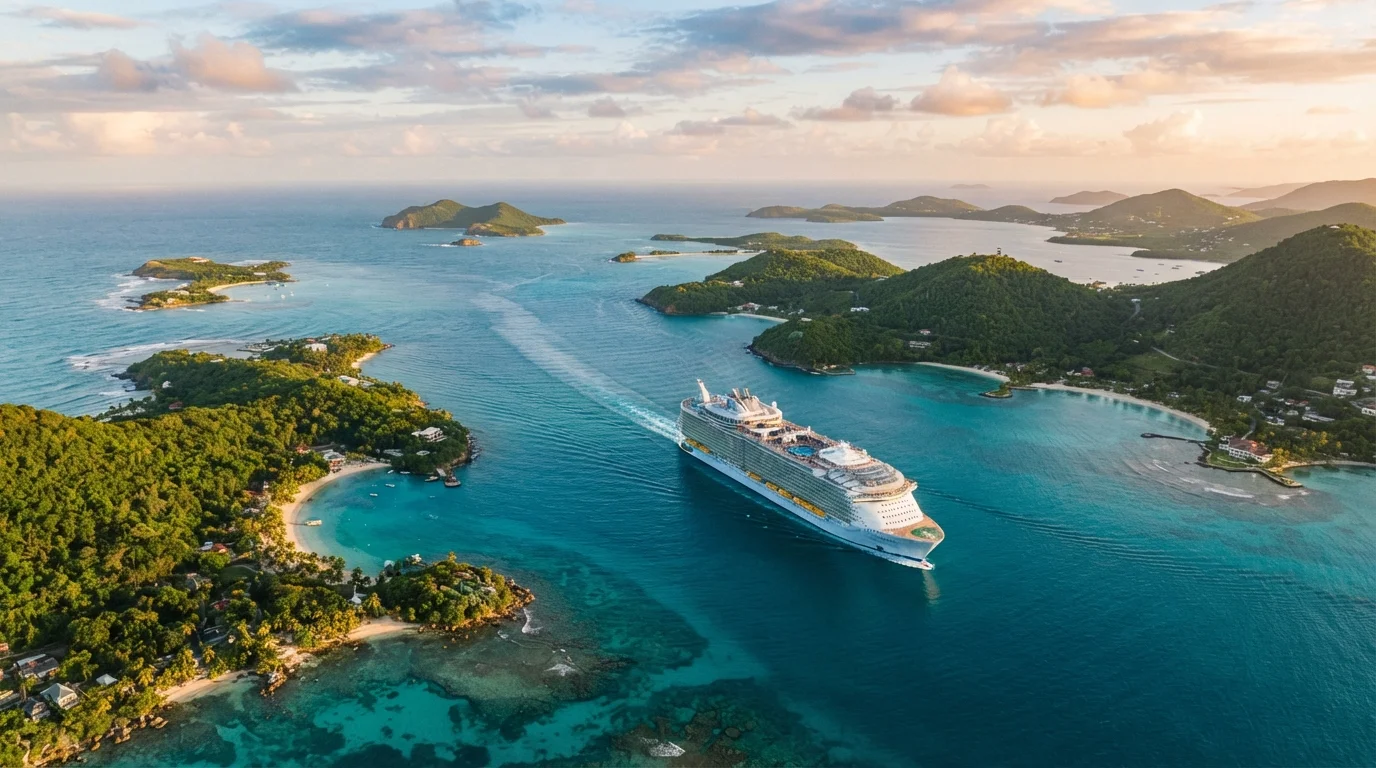
Hull engineering and active fin stabilizers on contemporary ocean ships have transformed the onboard motion experience compared with vessels from even 20 years ago. Itinerary routing also matters: Caribbean and Mediterranean cruises primarily transit calmer, sheltered waters, while transatlantic or Drake Passage crossings involve more open-ocean conditions. Travelers with genuine motion-sensitivity concerns have several evidence-based options available - our article on seasickness remedies that actually work separates proven approaches from folk wisdom. Always consult a qualified healthcare provider before using any medication for motion sickness.
Myth
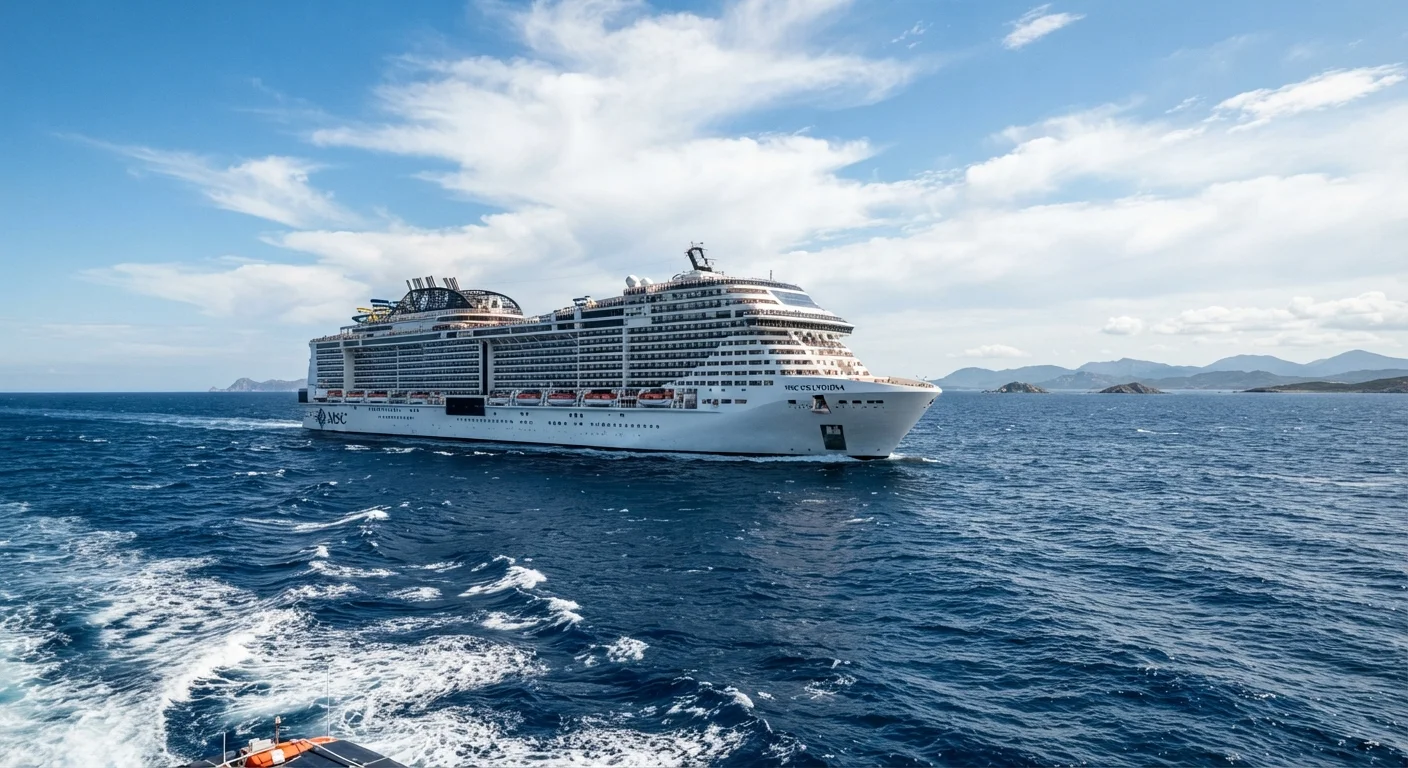
Cruise ships are so enormous and crowded that you'll never have a quiet moment or feel any sense of discovery.
Fact
Ship size varies enormously across the industry, and even large ships are engineered with crowd flow in mind - while small-ship and expedition lines offer genuinely intimate experiences.
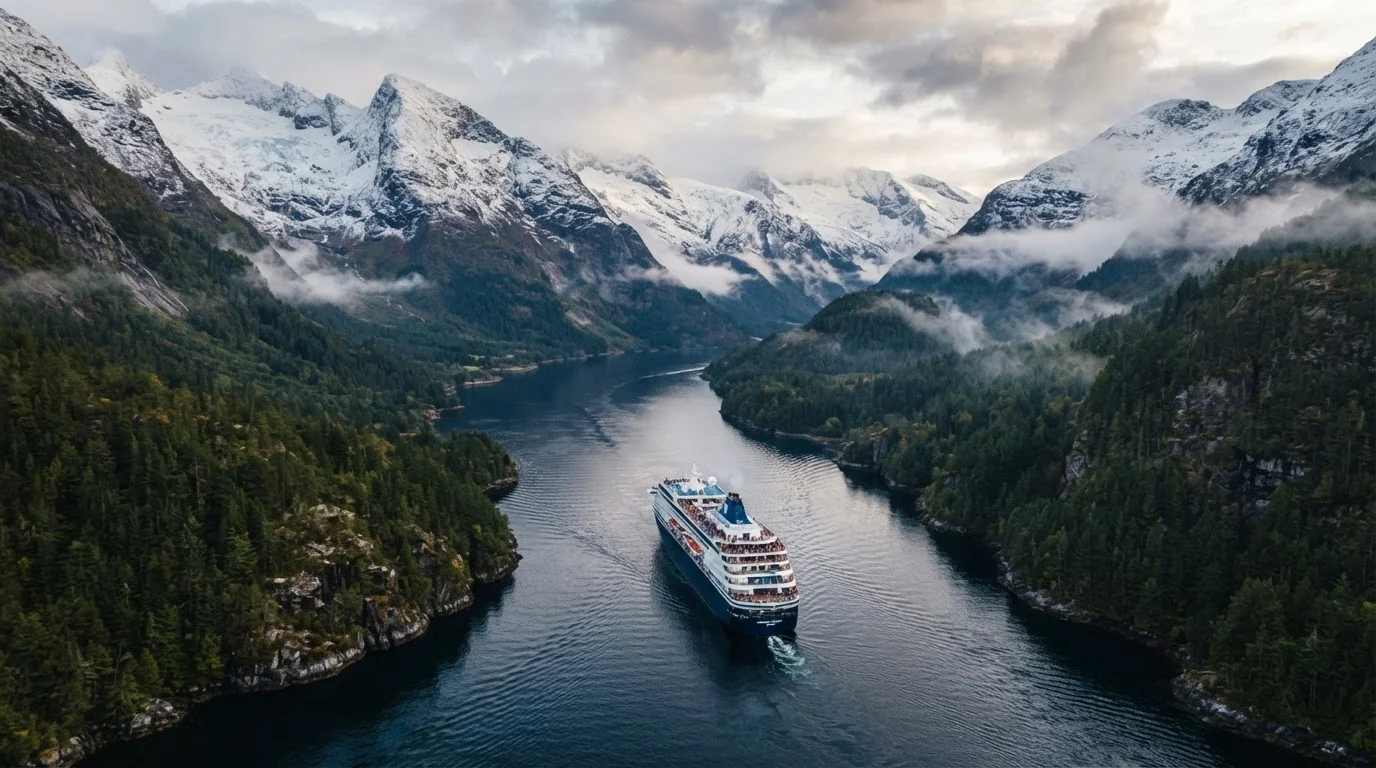
The perception of cruising as uniformly crowded reflects the visibility of the largest mass-market vessels rather than the industry as a whole. Expedition ships carrying fewer than 200 passengers operate itineraries in the Galápagos, the Norwegian archipelago, and Southeast Asian waterways where intimacy is a deliberate design feature. Even on larger ships, sea days and non-peak dining hours tend to distribute passengers across enough venues that crowding is rarely constant. Travelers who prioritize solitude or off-the-beaten-path access should specifically evaluate smaller vessel categories rather than assuming all cruises share the same density.
Myth
Cruising is an all-inclusive vacation - once you pay the fare, everything onboard is covered.
Fact
Pricing structures vary significantly by line and fare category; many mainstream cruises exclude specialty dining, beverages, shore excursions, gratuities, and spa services.
The bundling model differs substantially across cruise lines and even fare tiers within the same line. Luxury and ultra-luxury lines - such as those operating small, high-end vessels - often include beverages, gratuities, and some excursions in the base fare by design. Mainstream and contemporary lines typically operate on a la carte models where the headline price covers accommodation and core dining only. Reading the fare inclusions carefully before booking, and budgeting realistically for onboard spending, prevents the bill shock that many first-timers report at disembarkation. This is a fundamentally different cost structure from an all-inclusive resort.
Myth
Cruise ship food is limited to buffet-style mass catering - quantity over quality, with little variety.
Fact
Contemporary cruise ships routinely feature multiple dining venues, including specialty restaurants with menus developed by established culinary teams, alongside the main buffet.
The buffet remains a fixture on most large ships, but it sits alongside main dining rooms offering structured menus and, on many vessels, a roster of specialty restaurants covering global cuisines. The caliber of main dining has improved meaningfully across the industry over the past decade, and specialty dining - typically available for a supplemental fee on mainstream lines, or included on luxury ones - can rival quality shore-side options in major port cities. Travelers who prioritize food as a core part of the experience should research specific ships' dining offerings rather than defaulting to the buffet stereotype.
Myth
You must dress formally every night - tuxedos, gowns, and strict dress codes are standard cruise etiquette.
Fact
Formal nights exist on some traditional and luxury lines, but most contemporary cruise lines have significantly relaxed their dress codes, and many have eliminated mandatory formal evenings entirely.
Dress code expectations vary widely by line and ship category. Expedition and adventure-focused lines often explicitly favor casual, practical attire. Many mainstream contemporary lines have shifted toward "smart casual" as the evening standard, with optional formal or gala nights that passengers may choose to participate in or avoid. Traditional lines and some luxury operators maintain formal nights as a valued cultural feature for their core audience. Reviewing a specific line's stated dress policy before packing - rather than defaulting to the tuxedo assumption - saves luggage space and eliminates unnecessary anxiety.
Matching the Right Ship to Your Actual Preferences
Debunking myths is only useful if it leads to better decisions. The cruise industry encompasses an unusually wide spectrum - from 6,000-passenger megaships with theme parks at sea to 100-passenger expedition vessels navigating Antarctic channels. No single ship type suits every traveler, which is precisely why accurate information matters.
~30M
Annual ocean cruise passengers worldwide
According to Cruise Lines International Association (CLIA) industry data, global ocean cruise passengers have grown substantially over the past two decades, reflecting broad demographic expansion beyond traditional demographics.
~$1,000
Typical average onboard spend per passenger
Industry estimates suggest passengers on mainstream lines spend roughly this amount beyond their base fare, underscoring why understanding what is and isn't included matters before you board.
Solo travelers, for instance, are increasingly well-served: a growing number of ships now offer dedicated solo cabins rather than charging the traditional single supplement. Families with young children will find that purpose-built family itineraries in the Caribbean or Mediterranean differ substantially in pace and programming from adult-oriented voyages. For travelers prioritizing discovery over amenities, small-ship expedition lines offer access to ports - remote Norwegian fjords, the Galápagos, coastal Alaska - that larger vessels simply cannot reach.
Understanding what a cruise line is actually designed to deliver - rather than what the category stereotype suggests - is the core skill of a well-matched booking. Our Cruise Life Hacks hub covers practical strategies for doing exactly that, and What Nobody Tells You Before You Board offers an unfiltered orientation for first-time passengers.
Verify Entry Requirements Before Every Sailing
Port of call entry rules, visa requirements, and health documentation can change with little advance notice. Always verify current requirements with official government sources and your cruise line's pre-departure communications well before embarkation - not just at the time of booking.