
The Muster Drill: Mandatory, Not Optional
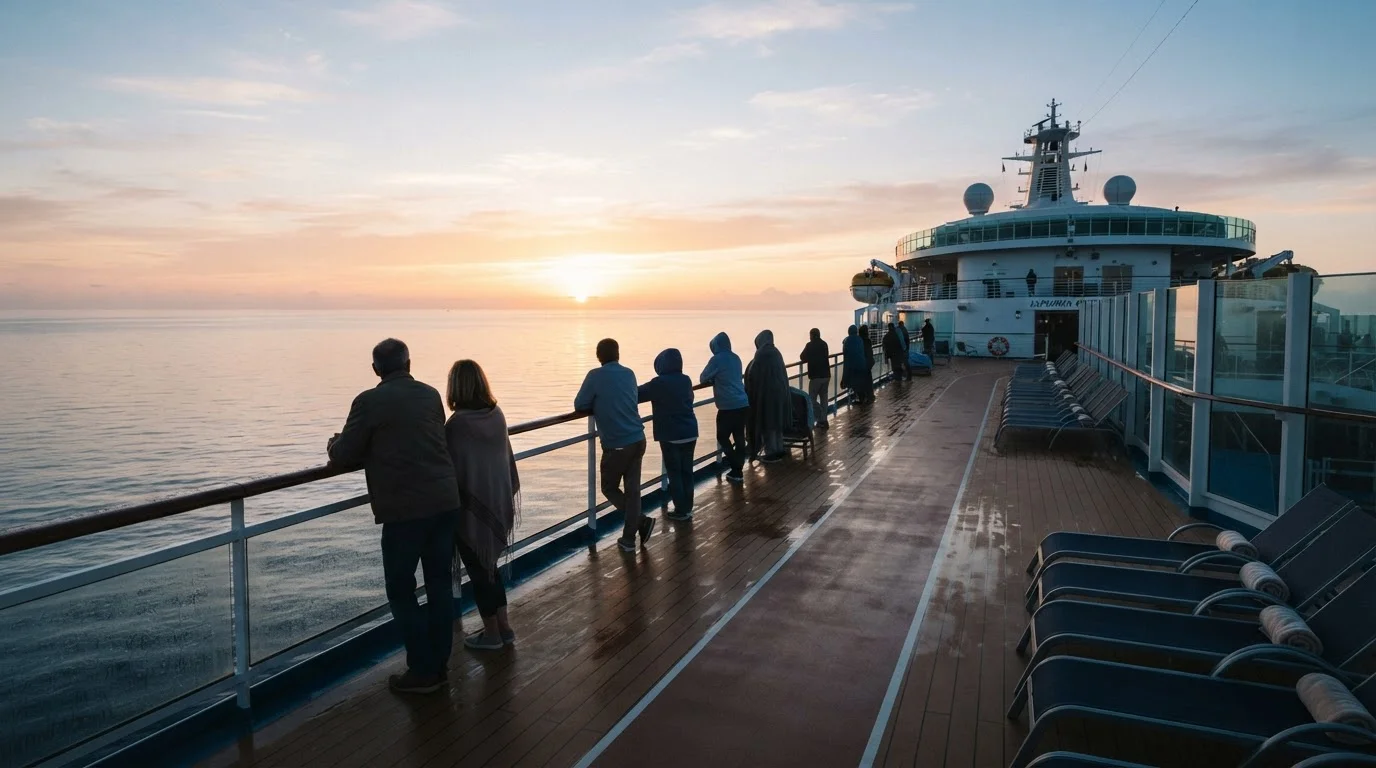
Before your ship moves an inch, you will participate in a safety drill - formally called a muster drill or emergency muster. Under international maritime law, all passengers are required to complete this briefing before or shortly after departure. Since 2020, most major lines have shifted to an e-muster format: you watch a safety video through the ship's app or in-cabin TV, then check in physically at your assigned muster station for a brief confirmation.
Your muster station location is printed on your cabin key card. Learn it. The drill covers lifeboat assignments, life jacket use, and emergency signals - a long blast of the ship's horn means all passengers report to their stations. Skipping or ignoring the drill is not possible; the ship's system logs your completion, and crew will follow up if you haven't checked in.
Complete Your E-Muster Before Sailaway
Most lines now let you start - and in some cases fully complete - the digital safety briefing before the ship even departs. Finishing it early means you're free to explore the ship during the sailaway instead of queuing at a muster station. Check your cruise line's app before embarkation day.
For everything that happens after the drill, see our guide to embarkation day - it walks through the first hours onboard in practical detail.
How Onboard Spending Actually Works
Cash is almost irrelevant on a modern cruise ship. Every purchase - cocktails, spa treatments, shore excursions, specialty dining, Wi-Fi - goes onto your onboard account, a running tab linked to the credit or debit card you registered at check-in. At the end of the voyage, the full balance is charged.
This system is convenient, but it makes it very easy to overspend without realizing it. Charges accumulate invisibly: a drink package add-on, a $35 specialty restaurant dinner, a casino session, a single bottle of premium water at the spa. Review your account statement daily through the ship's app or a kiosk near guest services.
Muster station
Your pre-assigned emergency assembly point on the ship, where you report during a drill or real emergency. Its location is printed on your key card.
Onboard account
A running tab that tracks all purchases made during your voyage - from drinks to shore excursions - settled by credit card at the end of the cruise.
Tender
A small boat used to ferry passengers from the anchored ship to shore when the port lacks a dock large enough for the vessel.
All-aboard time
The deadline by which all passengers must return to the ship before it departs a port. Missing it means the ship leaves without you.
Gross tonnage (GT)
A measure of a ship's enclosed volume used in the cruise industry to indicate overall size. Larger GT generally means more amenities and greater stability at sea.
E-muster
A digital safety drill format where passengers complete the required emergency briefing via the ship's app or in-cabin screen before physically checking in at their muster station.
A few charges first-timers routinely miss:
- Automatic gratuities - added daily per person, varies by line
- Port fees and taxes - usually bundled into the cruise fare at booking, but verify
- Corkage fees - charged if you bring wine from a port and consume it in a dining room
- Specialty dining surcharges - not all restaurants are included in your base fare
Sea Days, Port Days, and Pacing Yourself
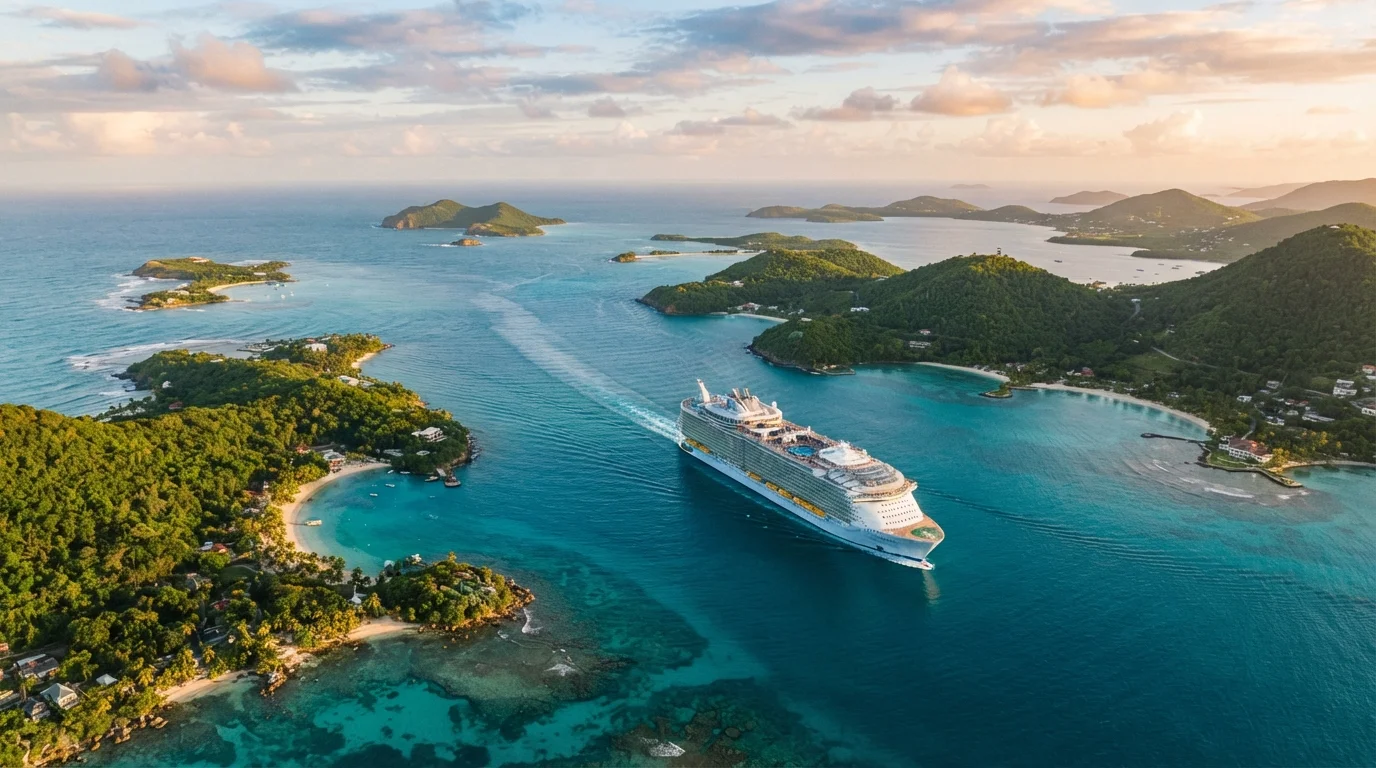
A typical one-week Caribbean itinerary might include two or three sea days alongside four or five port stops. First-timers often underestimate how full a sea day can be, and how exhausting a port day actually is. Port days frequently start early - sometimes with an all-aboard time as tight as 3:30 PM - and involve significant walking, heat, and logistical complexity.
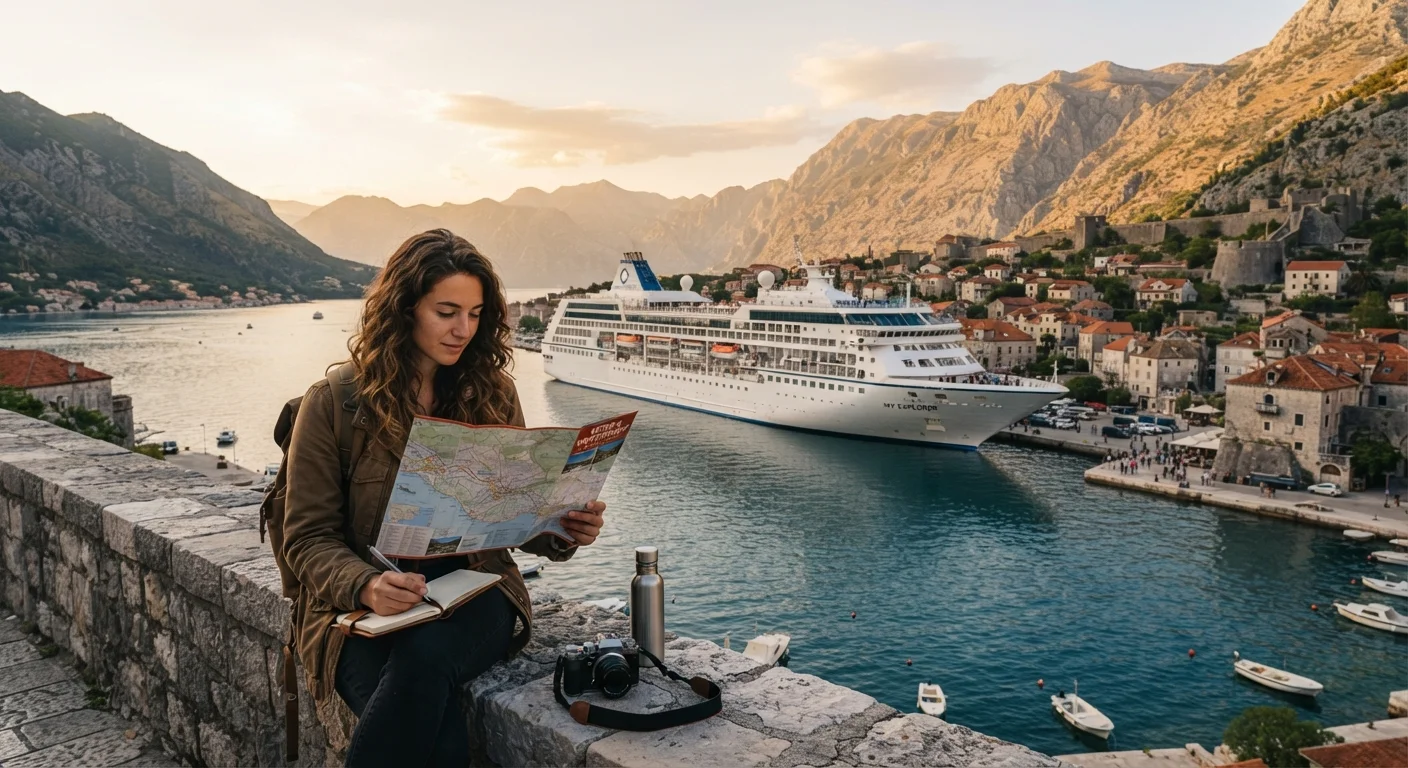
On port days, know whether your ship is docked (you walk off directly) or tendering (you take a small boat to shore). Tender operations depend on weather and can be cancelled. For details on tender schedules and port-day durations, research your specific ports before departure - not once you're anchored off them.
Sea days reward passengers who plan ahead. Specialty restaurant reservations, spa appointments, and popular fitness classes fill up quickly. Book these on embarkation day, or even before sailing through the cruise line's pre-cruise planning portal.
What the Ship Won't Announce
Ships communicate through the daily program - a printed or digital schedule delivered to your cabin each evening for the following day. This is your operational bible. It lists every activity, venue opening time, dress code for the evening, and port arrival and departure times. Read it the night before, not the morning of.
Several things that catch first-timers off guard:
- Dining room dress codes - most mainstream lines have at least one formal or smart-casual evening. Check the nightly schedule.
- Early departure from ports - the published all-aboard time is 30 minutes before the ship's actual departure. Miss it and you are responsible for rejoining the ship at the next port at your own expense.
- Noise and vibration variation by deck - cabins near the anchor windlass (front, lower decks) can be loud in port. Cabins above the theater can hear late-night shows through the floor.
For a deeper look at what to verify before you ever board, the pre-cruise preparation checklist covers documents, medications, and online check-in essentials.
Visa and Entry Rules Apply in Every Port
Each country your ship visits has its own entry requirements - even for passengers who remain on the ship in some cases. US passport holders generally enjoy broad visa-free access, but some itineraries (including certain Caribbean, Asian, and South American routes) may require advance visas or electronic authorizations. Always verify current entry requirements with official government sources and your cruise line before departure.
Motion, Meals, and Managing the Unexpected
Modern large ships - particularly those above 100,000 gross tons - use stabilizer fins that significantly reduce perceptible roll. That said, crossing the North Atlantic in November is categorically different from a calm Caribbean crossing in February. If you are concerned about motion sickness, choose itineraries in calmer bodies of water for your first voyage, and select a midship cabin on a lower deck where motion is least pronounced.
Motion sickness remedies are most effective when taken before symptoms develop. Common options include over-the-counter antihistamines like meclizine, prescription scopolamine patches, and acupressure wristbands. Consult a healthcare provider about what is appropriate for your health profile before sailing - this is general information, not medical advice.
Never Miss the All-Aboard Time
The published all-aboard time is typically 30 minutes before departure - not the moment the ship sails. If you arrive at the pier after the gangway closes, the ship will leave without you. You will be responsible for your own transport, accommodation, and costs to rejoin the itinerary at the next port. Always build a buffer into independent port excursions.
Meals operate on two models: traditional dining (fixed table, fixed time, same waiter each night) and anytime or flexible dining (open seating within a time window). Most lines offer both. Traditional dining suits travelers who like routine; anytime dining suits those whose port schedules vary. Choose at booking - switching onboard is possible but not always easy.
First-timers often discover that choosing the right ship and cruise line shapes the entire experience far more than any single destination. What feels luxurious on one line feels ordinary on another. Research the ship class, not just the itinerary.