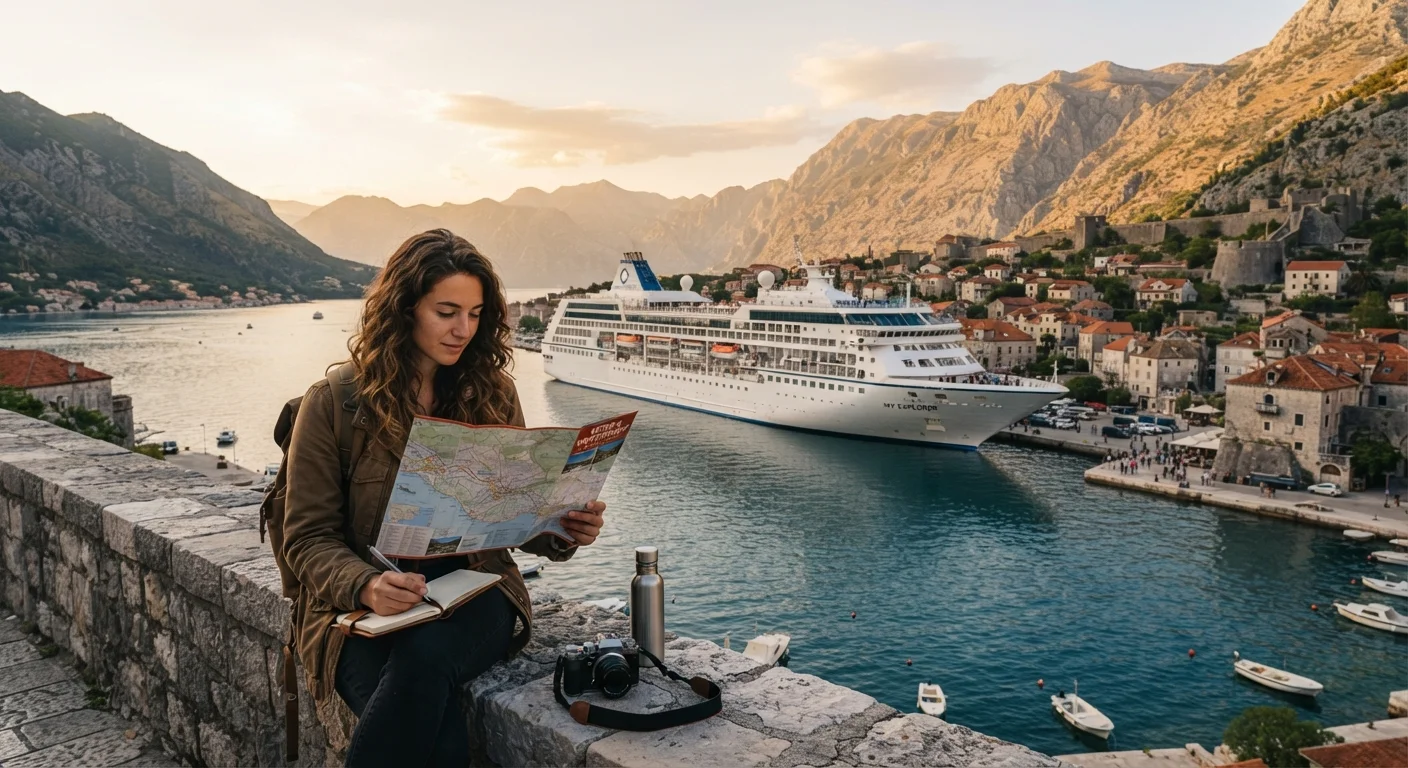

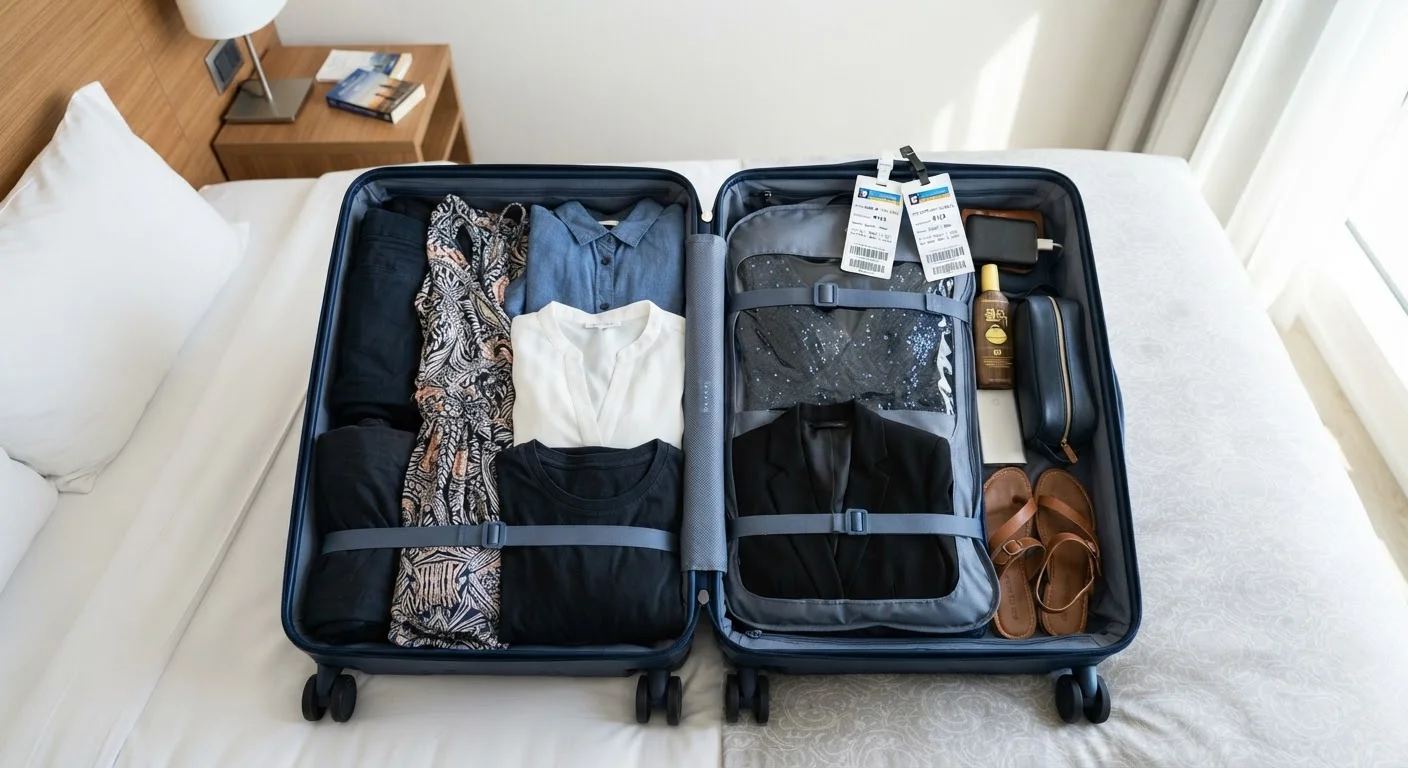
Why Cruise Packing Isn't Like Any Other Trip
Packing for a cruise sits in its own category - not quite like packing for a resort stay, not like a backpacking trip through Southeast Asia. The ship is your hotel, airport, restaurant, and entertainment venue simultaneously, and each of those roles places a different demand on your luggage.
The first distinction hits at the pier: your checked bags go directly to porters and may not reach your stateroom for four to six hours after embarkation. That means your carry-on isn't just a convenience - it's a survival kit for your first half-day aboard. Factor in toiletries, a change of clothes, medications, travel documents, and anything else you'll need before bags arrive. See our pre-cruise preparation checklist for a full breakdown of what to sort before departure day.
The second distinction is the itinerary itself. A seven-night Caribbean sailing might include two formal nights, a beach excursion, a colonial city walking tour, and a specialty restaurant dinner - all in one week. Each context has its own appropriate dress, and the ship's dresscode policy will outline exactly what's expected. Knowing your line's culture matters here; matching your travel style to the right cruise line affects packing as much as it affects enjoyment.
Best Practices for Packing a Cruise the Right Way
These practices reflect what experienced cruisers do differently - and why it saves them time, stress, and unnecessary fees.
Attach cruise line luggage tags before arriving at the pier.
Porters process hundreds of bags quickly at embarkation. Pre-attached tags with your booking number and stateroom ensure your luggage reaches the right cabin rather than being held for manual processing. Missing or illegible tags cause delays that ripple into your first evening aboard.
Pack a dedicated embarkation-day carry-on with everything you need for the first six hours.
Checked luggage is typically delivered to staterooms several hours after the ship departs. Boarding without essentials in hand means spending your first afternoon in the same clothes you traveled in - or hunting for toiletries at the ship's overpriced sundry shop.
Plan outfits around the formal night schedule, not around general preferences.
Most mainstream cruise lines schedule one to two formal nights per sailing. Showing up underdressed can limit your access to main dining rooms or create an uncomfortable experience. Knowing the schedule in advance lets you pack exactly what's needed - no more, no less.
Use a collapsible bag to bring home souvenirs without overpacking your outbound luggage.
Port shopping is a real variable. Travelers who leave no room in their luggage for purchases either pay for checked overweight fees or leave items behind. A lightweight, foldable tote adds negligible weight while solving a consistent problem.
Bring a multi-plug USB charging hub rather than relying on ship outlets.
Most cruise ship cabins have limited electrical outlets - often just one or two - and they're rarely positioned conveniently. Charging phones, cameras, and e-readers simultaneously becomes a nightly battle without a hub. Note that surge-protected power strips are prohibited on most lines; a simple USB hub is the compliant solution.
Keep reef-safe sunscreen and a small dry bag in your port kit.
Many Caribbean and Pacific island ports now require or strongly encourage reef-safe sunscreen to protect marine ecosystems. Standard sunscreens may be confiscated at certain entry points or discouraged at excursion sites. A dry bag protects your phone and wallet on water-based excursions where ship security won't be available.
Quick Wins Before You Zip the Bag
You don't need to overhaul your entire packing approach at once. A handful of targeted changes make an immediate difference on embarkation day and throughout the voyage.
Roll Clothes, Hang What Wrinkles
Rolling casual clothes saves significant drawer space in a compact stateroom. Reserve the small wardrobe for items that crease easily - formal wear, dress shirts, linen trousers. Most ships have a limited number of hangers; bringing four to six extra thin hangers takes up almost no space and pays off immediately.
What Often Gets Overlooked
Even veteran cruisers occasionally forget how cabin storage differs from a hotel room. Standard inside and oceanview cabins typically offer under-bed storage, a small wardrobe, and limited shelf space - nowhere near what most people are used to at home. Compression bags help, but the smarter fix is editing before you pack, not squeezing after.
Laundry Options Vary Widely by Line
Some cruise lines offer self-service laundromats, others provide bag laundry for a fee, and premium lines may include complimentary pressing. Knowing what's available on your ship can meaningfully reduce how much clothing you need to bring. Check the ship's amenities before finalizing your packing list - it's one of those details that experienced cruisers verify early.
Port-day gear deserves its own mental category. Water shoes, reef-safe sunscreen, a small dry bag, and a crossbody anti-theft bag are practical staples that hotel-focused travelers rarely consider. Before finalizing your port essentials, it's worth reviewing itinerary details like port durations and tender schedules - a short tender port calls for different gear than a full-day beach stop.
Finally, keep the prohibited items list in mind. Cruise lines universally restrict items like clothing irons, certain power strips, candles, and sometimes electric razors without surge protection. Check your specific line's list before packing; getting an item confiscated at embarkation is avoidable with five minutes of research. For seasoned travelers evaluating a new ship, what experienced cruisers always verify before booking includes details like onboard laundry options - a factor that directly shapes how much you actually need to bring.